Get Full Government Meeting Transcripts, Videos, & Alerts Forever!
Get email alerts on the Forest Governance topic
No spam. Unsubscribe anytime.
Debate intensifies as committee hears proposal to give governor power to appoint state forester
Summary
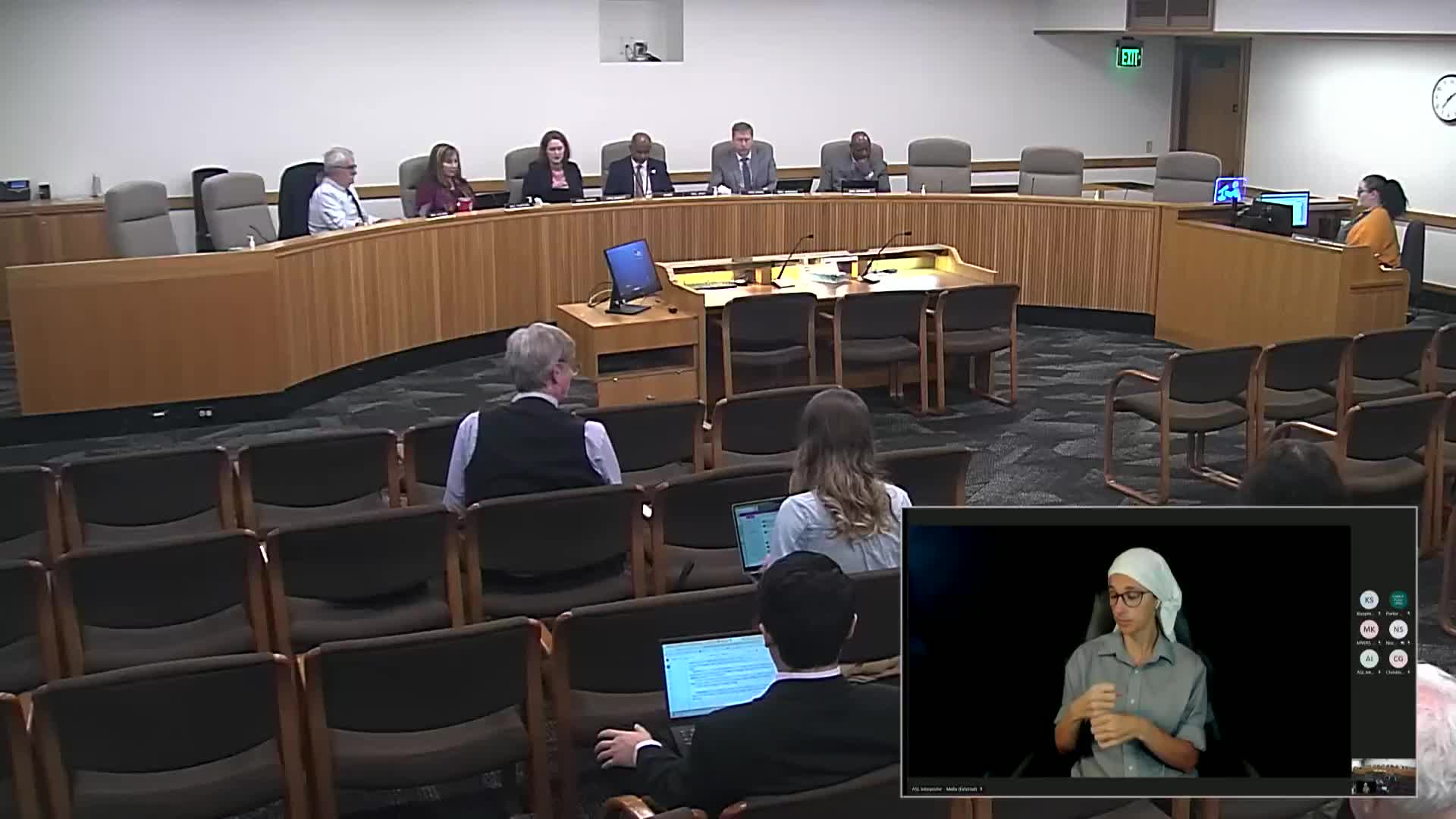
The Senate Rules Committee heard competing arguments March 24 on SB 1051, a bill that would shift authority to appoint the Oregon State Forester to the governor and require that either the forester or deputy be a practical forester.
The Senate Rules Committee held a public hearing March 24 on Senate Bill 1051, which would change the appointment authority for the Oregon State Forester from the Board of Forestry to the governor (with Senate confirmation) and require that either the state forester or deputy state forester be a “practical forester familiar with Western conditions and experienced in organization for the prevention of forest fire,” according to the bill summary and posted -1 amendments.
Jeff Huntington, Senior Natural Resource Policy Advisor to Governor Kotek, told the committee the measure aims to increase executive accountability and improve recruitment. Huntington said the governor’s office coordinates a set of 14 natural‑resource agencies and that placing appointment authority with the governor (and adding Senate confirmation) would align the director’s accountability with the rest of the executive branch. He also said a gubernatorial appointment process can allow confidential recruitment steps that can attract stronger candidates.
Opponents — including former Oregon State Forester Jim Brown, retired Bureau of Land Management state director Ed Sheppard, former Board of Forestry member Peter Hayes, industry groups and county representatives — testified that the change would risk politicizing the position and weaken professional forestry expertise at the agency. Several witnesses urged that the state forester remain a trained forester and emphasized the role of the Board of Forestry as a citizen panel representing diverse forest interests.
Ed Sheppard, speaking for the Oregon Society of American Foresters, said state and national SAF position statements support professional forestry expertise in technical and executive roles and warned that shifting hiring authority “would significantly disrupt the relationship between the Board of Forestry and the State Forester” and risk exposing decisions to short‑term political pressures. Peter Hayes, a forest business owner and former Board of Forestry member, said the bill “would weaken and undermine” the board’s authority and warned it would move the department closer to short‑term state government priorities rather than community and forest interests.
Brandon Persinger, executive director of the Council of Forest Trust Land Counties, said state forest lands were deeded to the state in the 1930s–40s for long‑term management and that statutes governing trust lands and advisory committees assume the state forester is accountable to the board and has forestry experience. Persinger said the trust counties “believe that a reevaluation of whether the state is the best entity to manage these lands might be needed” if the forester need not be a practical forester.
Trade and industry groups including the Oregon Forest Industries Council, Weyerhaeuser and the Oregon Small Woodlands Association filed written testimony and spoke in opposition, raising concerns that removing the forester qualification and shifting hiring authority would reduce the agency’s capacity to manage wildfire response, long‑term forest planning, and the technical demands of timberland management. Michael Elias of OFIC said wildfire, mitigation and long‑term forest management “are paramount right now” and argued the position has unique technical requirements.
Several committee members acknowledged the difficulty of recruiting a top‑tier leader for an increasingly complex agency and said they understood the governor’s interest in accountability and executive alignment. One senator suggested the bill might be a pragmatic response to repeated unsuccessful recruitments, while opponents urged preserving the board’s role and the requirement that the forester be a forester.
The committee heard extensive testimony from professional foresters, industry, county representatives and students; no final committee action on SB 1051 was recorded in the transcript on March 24.