Get Full Government Meeting Transcripts, Videos, & Alerts Forever!
Get email alerts on the Elder Fraud topic
No spam. Unsubscribe anytime.
Middlesex County officials, police warn seniors about rising scams at Woodbridge event
Summary
County and local officials at a Woodbridge Township senior conference outlined common scams targeting older adults — from ATM skimmers and government impostors to romance and sweepstakes fraud — and urged practical steps to prevent losses.
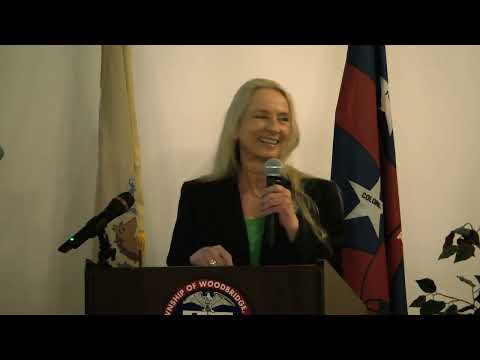
Michelle Morgan, director of senior services for Woodbridge Township, and leaders from the Middlesex County Office on Aging and Disabled Services and the Woodbridge Police Department addressed seniors at a St. Patrick’s Day senior conference in Woodbridge Township, urging caution against a wide range of scams and giving concrete prevention steps.
The presentations warned that older adults are increasingly targeted by fraudsters and described how to recognize and respond to common schemes. Lila Zona, executive director of the Middlesex County Office on Aging and Disabled Services, said Middlesex County’s older-adult population is about 94,500 people, or roughly 22.5% of the county’s population, and cited national and federal data showing growing losses to scams among seniors. "With the growing number of older adults population in The United States ... seniors lost 3,400,000,000.0, that's with a b, billion dollars to scams in 2023," Zona said.
Why this matters: presenters said the combination of a growing older population and sophisticated criminal techniques makes outreach and basic precautions essential to limiting financial harm. The conference included representatives from the Middlesex County Prosecutor’s Office, county consumer affairs and weights-and-measures offices, the Internal Revenue Service, Senior Medicare Patrol, the Social Security Administration and local police.
Detective Nate Santoni of the Woodbridge Police Department, who led a detailed talk on identity theft and fraud tactics, described how criminals obtain personal data — skimming devices on ATMs, dumpster-diving, data breaches and the dark web — and how that information is used to withdraw funds or impersonate victims. "When you withdraw money from an ATM machine, cover your PIN with your hand," Santoni said. "Cover your PIN number." He also emphasized a basic rule for avoiding scams: "If you didn't initiate it, you should question it."
Presenters reviewed specific scam types attendees should watch for: government-impostor calls demanding money (often citing Social Security), the "grandparent" scam in which callers falsely claim a family member is in trouble, romance scams, sweepstakes and foreign-lottery schemes that demand upfront fees, contractor/home-repair fraud, and ATM skimming. The speakers cited recent federal and agency figures: the Federal Trade Commission received more than 95,000 complaints about government-impostor scams in 2024 and nearly 12% of those complainants reported losing money to Social Security–related scams, totaling about $97 million; presenters also cited published estimates for romance- and sweepstakes-related losses.
Practical prevention advice included shredding documents that contain personal data, checking bank and credit statements regularly, placing fraud alerts or credit freezes when suspicious activity appears, using contactless payments cautiously, and never sending money via gift cards, wire transfers, or overnight courier at the instruction of a caller. For home repairs, speakers urged getting multiple written bids, checking licenses and registrations (including New Jersey contractor registration), and holding final payment until work is completed to satisfaction.
On what to do if victimized, Santoni and others urged filing reports with the affected financial institution, placing fraud alerts at annualcreditreport.com, reporting identity theft to the Federal Trade Commission at FTC.gov, and contacting local law enforcement. Santoni gave a local contact number for questions about possible scams: 634-7700. "If you have a question ... you can call that 634-7700 number and somebody's gonna answer that phone," he said.
Event organizers said the slide deck would be emailed to attendees and asked participants to complete an event evaluation. The conference included outreach tables from county and federal agencies and the Senior Medicare Patrol, and county leaders encouraged attendees to sign up for available property-tax relief programs and other senior services.
The presentations combined preventative guidance, local reporting instructions and agency referrals; officials repeatedly stressed that law enforcement and agencies will not demand immediate payments by phone and that unusual payment requests (gift cards, wire transfers) are red flags.