Get Full Government Meeting Transcripts, Videos, & Alerts Forever!
Get email alerts on the Immigration And Community Safety topic
No spam. Unsubscribe anytime.
Durham leaders address community fear after local ICE operations; city outlines services and community resources
Summary
Mayor Williams and council members acknowledged recent immigration enforcement activity in Durham, stressed limits on local police involvement with federal immigration operations, and pointed residents to local nonprofits offering legal aid, emergency assistance and volunteer opportunities.
Mayor Williams and several Durham City Council members addressed recent U.S. Immigration and Customs Enforcement (ICE) operations that prompted fear among residents, saying the city’s police do not proactively assist federal immigration enforcement and pointing people to local nonprofit resources for help.
The mayor said ICE does not routinely notify local government when it conducts enforcement actions and that the city learned about recent activity through community reports. He told the council that Durham Police “are paid with your tax dollars to serve and protect the people of Durham,” and that their duties do not include extending services to federal immigration enforcement.
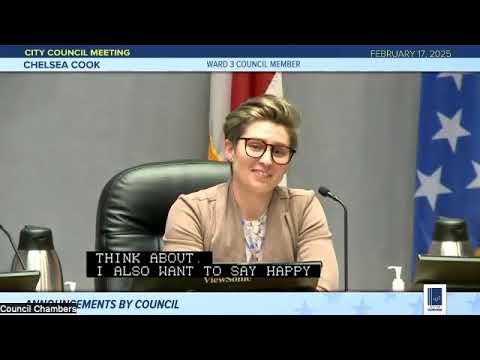
The council discussed community concern and the immediate needs that arise after enforcement actions. Councilor Cook said “the fear in this community is real” and listed older residents and people experiencing homelessness among those who are particularly affected. Councilor Caballero said nine people were detained in the recent operations and offered a list of local organizations where residents can volunteer or donate: Emanuel Food (food assistance), Church World Service (refugee services), Families Moving Forward (homeless services) and Siembra (community rapid response and workshops). Caballero said Siembra maintains a hotline and runs regular workshops at the Hispanic community center to help residents organize and respond to enforcement actions.
Councilors emphasized non-police ways residents can seek help. Caballero urged those who feel “desperate” to seek assistance from the listed groups and suggested community volunteering as an option for those who cannot donate money. The mayor and Councilor Baker also stressed that the city will continue to protect residents’ access to municipal services regardless of immigration status.
City staff confirmed there is a high local demand for social services and that some refugee and refugee-service organizations recently reduced staff and are seeking volunteers and donations. Councilors encouraged residents to contact the named nonprofits directly or to consult city resources for additional information.
The council did not adopt new local immigration enforcement policies during the meeting; members instead urged community support for affected residents and said staff will continue coordinating with service providers.