Get Full Government Meeting Transcripts, Videos, & Alerts Forever!
Get email alerts on the School Transportation topic
No spam. Unsubscribe anytime.
Harrisonburg faces driver shortage, long student supervision times; city rolls out cohort training and overhire plan
Summary
Teachers and principals described repeated field-trip cancellations, long second-run commute times and expanded non-instructional supervision caused by a school bus driver shortage; the city said it raised pay in 2023, introduced a cohort training model, added temporary overhires and shifted training resources to recruit and retain drivers.
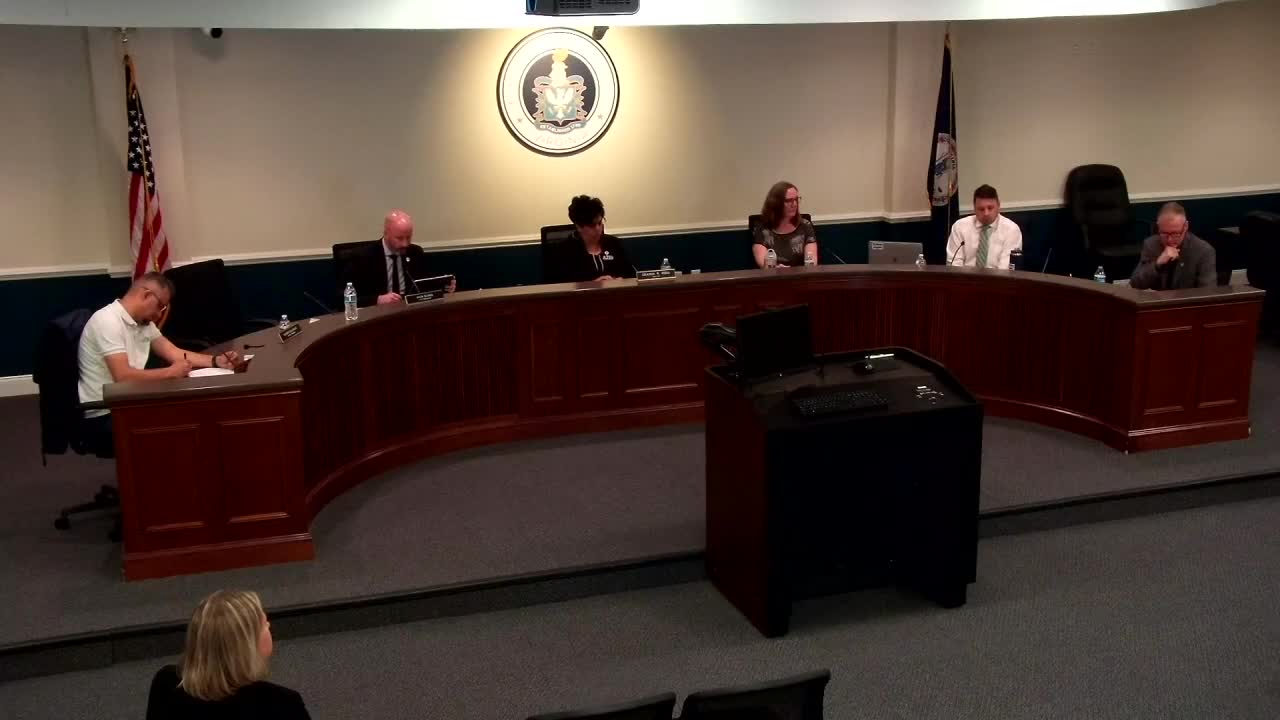
Teachers, principals and union representatives told the City and School Liaison Committee on March 24 that a shortage of school bus drivers is disrupting field trips, imposing long non-instructional supervision on elementary teachers and creating extended bus commute times for young students.
"It has been very difficult to secure buses this year for field trips... we've had to reschedule our eighth grade trip... due to a shortage of available buses," a middle-school teacher's note read, quoted by the superintendent.
Cody Polk, president of the Harrisonburg Education Association, said teachers are experiencing burnout because "second load runs are required because of an insufficient number of bus drivers." Elementary principals told the committee that, because of the routing sequence, elementary students are often in school buildings long before instructional time begins and remain on buses for extended periods in the afternoon while second runs complete the route.
"When the doors open... instructional hours start at 9:10. That's a full half hour that elementary school teachers are providing supervision to students," one principal said. Committee members cited examples where second-run buses depart as late as 4:30 or later; several principals reported students remaining on buses until after 5 p.m. when delays occur.
Human Resources Director Angela Clemons said the shortage is largely a labor-market problem and outlined a three-part response from the city: pay and benefits changes begun in the 2023 compensation study, a cohort-style recruitment and training program, and an "overhire" plan enacted in mid-March to add temporary hires while trainees complete CDL endorsements.
"We increased the rate of pay, as of 2023... by over 12% for all bus drivers... It is shy of $19 per hour," Clemons said, adding that pay increases were applied across school, transit and paratransit drivers. She said the city currently is budgeted for 62 school bus FTEs, had 50 employees on payroll as of March 21, and reported six individuals in training.
Clemons described operational flexibility: transit drivers currently sometimes fill school routes, the training division was reestablished with a new supervisor and the overhire program allows hiring beyond budgeted FTEs to cover likely early turnover. "School bus division actually received 5 additional overhires," she said.
Principals and teachers offered a range of ideas the city said it would explore: recruiting instructional assistants or staff with flexible schedules to obtain CDLs and run second loads, contracting charter/field-trip buses when practicable, and coordinating with Harrisonburg Area Transit or James Madison University bus resources. School and city staff agreed to convene a working group to study operational options, recruitment incentives and scheduling changes.
Staff noted training time varies by individual: classroom instruction can take one to two weeks and on-road training and testing can take several additional weeks; some speakers estimated two to four months from hire to fully cleared driver. Trainees are paid at a training rate, Clemons said.
City and school leaders acknowledged the problem predates the current school year and that the shortage mirrors national trends; they pledged continued collaboration on recruitment, retention and operational fixes.
No formal motions were recorded at the liaison committee meeting; staff said they will follow up with a working meeting to explore hybrid or instructional-assistant driver roles, cohort scheduling and other recruitment measures.