Psychology board’s proposal to access therapy records draws lawmakers’ scrutiny and professional opposition
Loading...
Summary
The California Board of Psychology told legislators it may seek a statutory exception to psychotherapist–patient privilege for board investigations; committee members and professional groups voiced deep concerns about patient confidentiality and judicial safeguards.
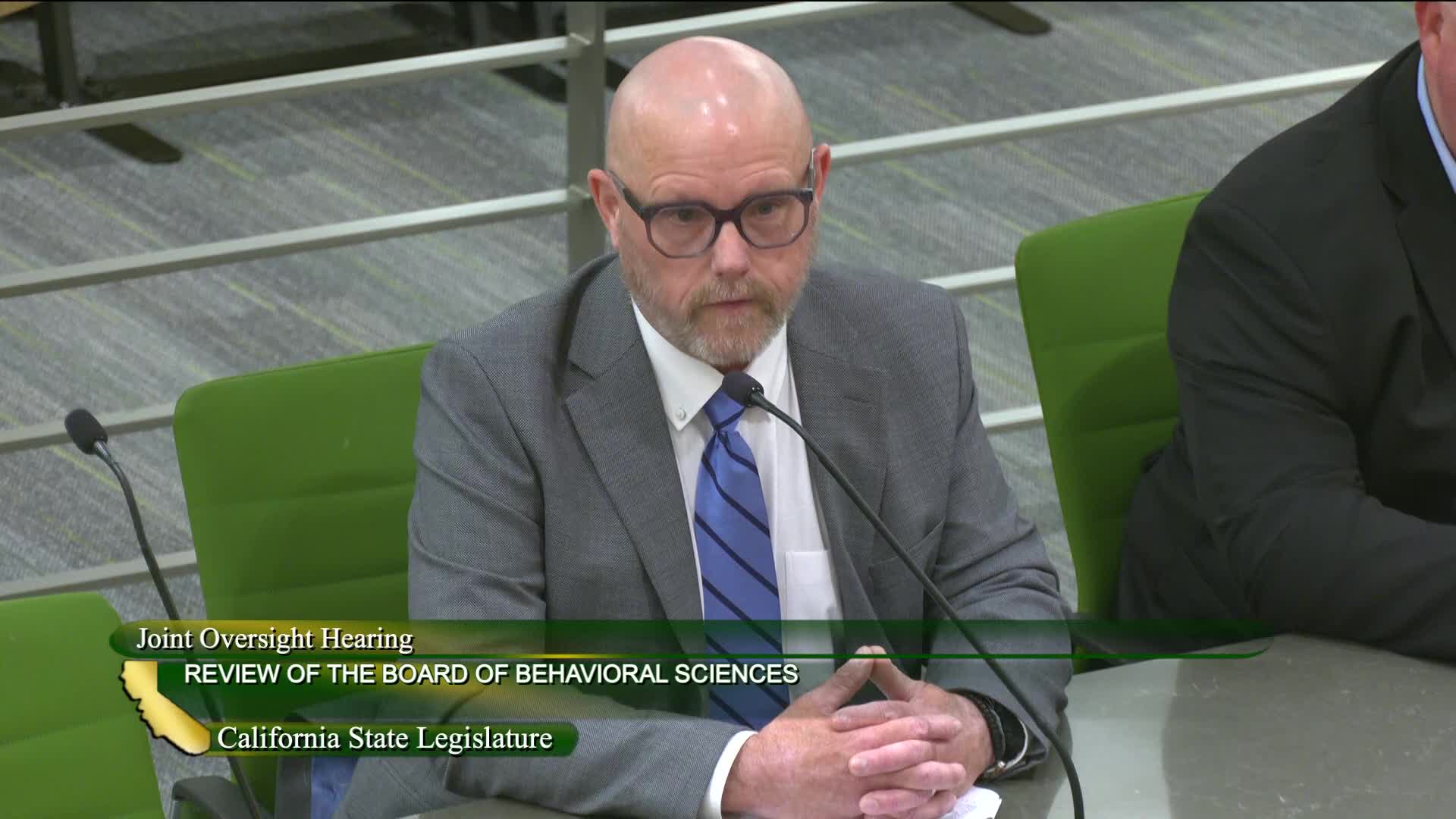
Dr. Leah Tate, president of the California Board of Psychology, told the joint sunset review committees the board is considering a statutory change to allow access to psychotherapist records for some board investigations and urged legislators to weigh the costs and investigatory delays created by civil subpoenas.
The proposal prompted immediate concern from committee members and professional associations, who argued existing judicial subpoena processes protect patient privacy and provide necessary oversight.
Why it matters: Psychotherapist–patient privilege is central to client trust in therapy. Any statutory change that allows investigators broader access to records provoked questions about patient autonomy, the threshold for disclosure, and legal safeguards.
What board officials said Dr. Leah Tate and board staff described the practical difficulty the board faces when complainants decline to release records. The board said it sometimes closes cases for "insufficient evidence" because it cannot access clinical notes and test data needed to assess allegations—especially in custody disputes and some allegations of sexual misconduct. The board cited Evidence Code 1040 and Government Code 7923.6 in explaining that records received by the board are currently kept confidential and that formal discipline triggers redaction and protective orders when cases proceed to the Attorney General.
"When a psychologist engages in [sexual] misconduct with a patient, that is one of the most egregious violations they could commit," the board said, arguing narrowly that investigators sometimes need fuller access to records to pursue meritorious complaints.
Committee and public reaction Assemblymember Jackson and others pressed the board on whether circumventing court subpoenas would be appropriate, noting subpoenas provide judicial review and protect patient autonomy. Jackson said the existing process—while costly and slow—guards confidentiality and patients’ ability to decide whether to release records. Several professional groups, including the California Psychological Association and the California Association of Marriage and Family Therapists, urged the legislature to reject the proposal, arguing it would undercut patient safety and risk coerced disclosures in sensitive cases (domestic violence, custody, sexual abuse).
Representatives from the board responded that subpoenas can take over a year and cost tens of thousands of dollars—practical barriers that they said impede enforcement and consumer protection. The board suggested as an alternative a narrowly drawn statutory exception modeled on other healing-practice statutes but did not present final language at the hearing.
Public comment and requests Professional groups asked the legislature to preserve existing confidentiality protections and recommended continuing to employ civil-subpoena paths when records are needed. The board said it would continue discussions with stakeholders and the committee to identify options that balance investigatory needs with patient privacy.
What the hearing did not resolve No statutory change was enacted or voted on at the hearing. The committee asked for further briefing and for the board to provide data on how often cases are closed for lack of records and on the costs and timeframes associated with subpoenas.