Get Full Government Meeting Transcripts, Videos, & Alerts Forever!
Get email alerts on the Chamorro Land Trust Nominations topic
No spam. Unsubscribe anytime.
Legislature debates Chamorro Land Trust nominations after recent firings; nominees moved to voting file
Summary
Lawmakers split over whether to advance three governor-appointed members to the Chamorro Land Trust Commission after two commissioners were recently removed. Several nominees were placed on the Legislature's voting file following extended debate about independence, land-restoration mandates and prior attorney-general findings.
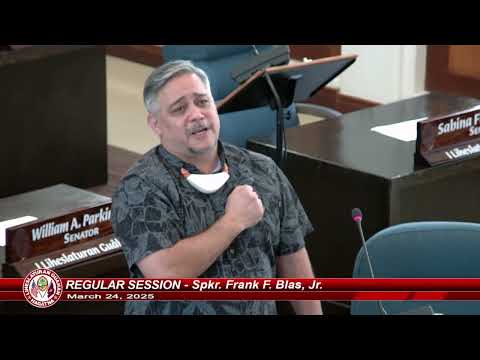
The Guam Legislature spent much of its session debating nominees to the Chamorro Land Trust Commission after the governor removed two sitting commissioners, with senators split over whether to advance replacements to the voting file.
Lawmakers said the debate matters because the Chamorro Land Trust holds land intended for beneficiaries who have waited decades, recent attorney-general findings and court rulings shaped prior delays, and commissioners will oversee land subdivisions, financing and leasing decisions.
Opponents argued the governor's recent removals undercut the trust's independence and that new nominees showed limited knowledge of the trust's history and statutory duties. One senator argued the recent dismissals targeted commissioners who "were, in fact, doing their jobs, fired for seemingly no cause," and urged the Legislature to withhold confirmation until the implications of those removals were clear.
Supporters said the Legislature's role is advice and consent and that nominees who are licensed professionals and have relevant experience should be given the opportunity to serve and be held to account through oversight. Senator Duenas told colleagues, "I will be voting to confirm all 3 members starting with Joseph Cameron," and said the body should not create a stalemate that leaves commissions understaffed.
Procedurally, the session recorded several motions. The Committee on Land, Environment, Housing, Agriculture, Parks and Infrastructure initially reported the nominations with a "report out only" recommendation. A motion was made on the floor to change committee recommendations to "do confirm" and to place several nominees on the voting file for full-chamber consideration. After debate and points of order about the propriety of changing committee reports on the floor, the body voted to move the following nominations to the voting file:
- Joseph R. F. Artero Cameron, nomination to the Chamorro Land Trust Commission (motion to change committee recommendation to "do confirm" and place on voting file carried). - Sabrina Cruz Respicio, nomination to the Chamorro Land Trust Commission (initially reported out only; motion to place on the voting file carried after objection and debate). - Jeremy J. Rojas, nomination to the Chamorro Land Trust Commission (motion to place on the voting file with recommendation to do confirm carried).
The Legislature also placed several non-CLTC nominations on the voting file without objection, including nominees to the Guam Council on the Arts and Humanities Agency and the Agana Restoration and Redevelopment Authority. The Guam Land Use Commission nomination of Gerald P. Yingling was reported out only and placed on the voting file per the committee report.
During floor remarks, senators cited specific programmatic and legal concerns: the trust's backlog of applicants (described in floor remarks as "8,000-plus on the list since 1995"), attorney-general findings that previously invalidated leases (noted on the record as "102 leases" found out of order), recent district and superior court litigation clearing the way for implementation, and the need for commissioners to understand subdivision law, financing (including USDA and Guam Housing Corporation roles), and fiduciary duties to beneficiaries.
Several senators said they would use future confirmation votes to hold appointees accountable; opponents said withholding confirmations would send a message about preserving the trust's independence. Supporters said stalling confirmations risks leaving the commission without a quorum and delaying housing and infrastructure work already in progress.
The session did not record final confirmation votes on the nominations themselves; it recorded only motions to change committee recommendations and to place nominees on the voting file. Those confirmation votes are to be taken from the voting file at a later time.
The debate ended with the nominations placed for full-chamber votes; senators said they expect to use oversight tools and hearings to monitor commission operations if nominees are confirmed.