Get Full Government Meeting Transcripts, Videos, & Alerts Forever!
Get email alerts on the Contract Compliance topic
No spam. Unsubscribe anytime.
CHRO urges project‑specific goals, periodic disparity studies and modernized data for state contract compliance
Summary
The Connecticut Commission on Human Rights and Opportunities recommended project‑specific procurement goals, periodic disparity studies and modernization of contract data collection to improve state contracting opportunities for small and minority‑owned firms.
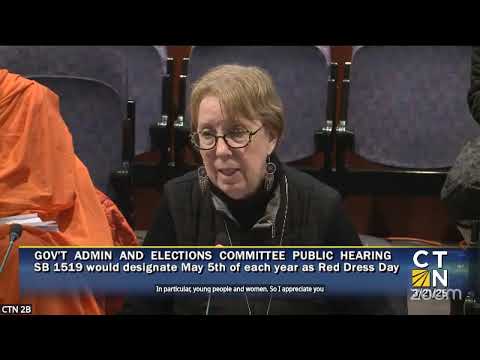
A representative of the Connecticut Commission on Human Rights and Opportunities (CHRO) told the Government Administration and Elections Committee on Friday that the state should adopt project‑specific goals, require periodic disparity studies and modernize data collection to improve contracting opportunities for small and minority‑owned businesses.
Cheryl Sharp, appearing for CHRO, summarized recommendations from a recently completed disparity study and urged the committee to authorize several changes to the state's small and minority business contract compliance program. She outlined three primary recommendations: adopt project‑specific inclusion goals rather than a static statewide percentage; require a new disparity study every five to seven years to replace the decades‑old data currently in use; and modernize the state's contract compliance data collection by digitizing the process so that goals can be more narrowly tailored to project needs and geographic availability of minority‑ and women‑owned businesses.
CHRO’s testimony said that static set‑asides — historically a fixed percent of procurement — do not reflect differences among project types, geographies or market availability and that project‑level goals would allow the state to tailor inclusion efforts where they are warranted. Sharp said modernization of data collection is essential to monitor outcomes, adjust goals and reduce administrative friction for both agencies and firms seeking participation.
Not all witnesses agreed on implementation details. Other testimony urged stronger, immediate remedies and criticized some aspects of certification and program definitions; witnesses argued for clearer statutory definitions of small business thresholds and more robust enforcement if set‑aside goals are missed. The committee will consider language that balances legal defensibility, the CHRO’s recommended practices and concerns raised by construction‑industry and finance stakeholders.
Why it matters: Connecticut has long used contract compliance programs to expand procurement opportunities. A new disparity study prompted CHRO to recommend changes that would shift the program from a static target to more finely tuned, project‑based goals.
Next steps: The committee will review legislative language to implement the CHRO’s recommendations and consider amendments to address industry concerns about definitions, enforcement and transitional steps.