Get Full Government Meeting Transcripts, Videos, & Alerts Forever!
Get email alerts on the Historic Memory topic
No spam. Unsubscribe anytime.
Speaker at Gorée reflection urges careful language on slavery, highlights new forms of exploitation
Summary
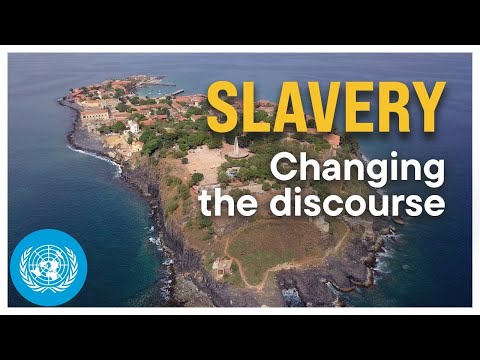
A speaker reflecting on Gorée Island’s House of Slaves said the site preserves memory of the transatlantic trade and urged updating the public discourse to distinguish captivity from slavery and to address modern forced labor, forced prostitution and child labor.
A speaker at an event referencing Gorée Island’s House of Slaves said the site ‘‘crystallizes’’ the memories of the transatlantic slave trade and called for careful use of language when describing history and contemporary forms of exploitation. The speaker said the island’s streets, buildings and forts each tell parts of ‘‘the history’’ and that preservation efforts aim both to remember victims and to ‘‘remind the world of the fragility of freedoms.’'
The speaker argued that public discourse should be revised to reflect that people taken through Gorée were captives at the point of departure and became enslaved after arrival, saying ‘‘nobody is born a slave’’ and that the distinction matters to members of the African diaspora. The speaker also connected historical memory to present-day abuses, listing forced labor, forced prostitution and child labor as ‘‘new forms of enslavement’’ that require attention. The speaker added that historically enslaved people were often denied education and said education is central to liberation, calling for children to be taught these concepts.
Remarks focused on memory, language and education; there were no formal actions, votes, or references to specific statutes recorded in the provided transcript segments.