Get Full Government Meeting Transcripts, Videos, & Alerts Forever!
Get email alerts on the Haiti Hiv Funding topic
No spam. Unsubscribe anytime.
U.S. funding freeze suspends HIV prevention services in Haiti, UN warns
Summary
UN agencies said a recent freeze of United States funding has forced suspension of most pre-exposure prophylaxis services and is affecting tens of thousands of people on antiretroviral treatment, raising concerns of increased HIV infections.
United Nations officials warned March 21 that a freeze in United States funding is having a "devastating impact" on Haiti’s HIV response, forcing suspension of many prevention services and jeopardizing treatment for people living with HIV.
Why it matters: UN and national health officials told the briefing that disruptions in prevention and treatment risk increasing new infections and undermining care for tens of thousands of people who rely on regular antiretroviral therapy.
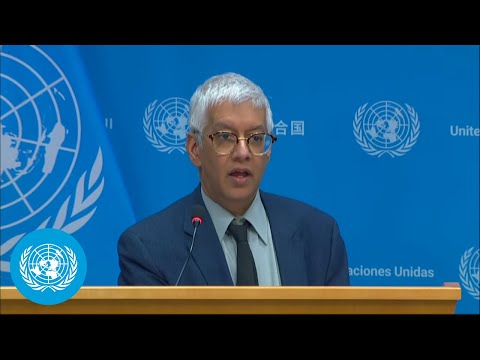
Details from the briefing: UN spokesperson Farhan said that pre-exposure prophylaxis services (PrEP) — used to prevent HIV infection — had to be suspended in many programs and that the suspension affected an estimated 80 percent of PrEP interventions. The national HIV program in Haiti estimates that at least 35,000 people living with HIV who were receiving antiretroviral treatment are being affected by the freeze on USAID-funded health services.
Officials at the briefing said the national program projects a potential 30 to 50 percent increase in new HIV infections in the absence of prevention activities. The briefing noted that HIV/AIDS affects an estimated 140,000 people in Haiti and that the broader health sector needs about $43,500,000 to address urgent health care and support needs for vulnerable people.
The World Health Organization, the government of Haiti and UNAIDS are "exploring alternatives to ensure that health services can continue," the spokesperson said.
What the UN is asking for: UN officials said they are seeking ways to maintain continuity of treatment and prevention services and urged donors and partners to identify alternatives to restore funding for critical health services.