Get Full Government Meeting Transcripts, Videos, & Alerts Forever!
Get email alerts on the Gaza Humanitarian topic
No spam. Unsubscribe anytime.
UN urges immediate ceasefire and restoration of aid as Gaza crossings remain closed
Summary
The United Nations renewed calls for a ceasefire in Gaza, immediate release of hostages and unimpeded humanitarian access after Israeli closure of crossings entered its twentieth day; UN agencies reported staff casualties, mass displacement and severe supply shortfalls.
The United Nations on March 21 renewed appeals for an immediate ceasefire in Gaza, the unconditional release of remaining hostages and the restoration of unimpeded humanitarian assistance as Israeli closures of crossings into the Gaza Strip entered their twentieth day.
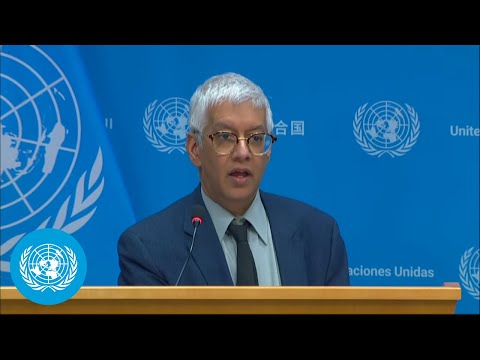
The appeal came during a UN press briefing in which spokesperson Farhan (UN press briefing) summarized recent statements by the secretary-general and senior UN officials about mounting civilian suffering. "Hostages must be released immediately and unconditionally," Sigrid Cog, the UN special coordinator for the Middle East Peace Process ad interim, told the Security Council and reiterated in the briefing.
Why it matters: UN agencies and humanitarian partners say the closure of crossings is inflicting catastrophic harm on people already facing extreme shortages of food, fuel and medical supplies. The UN said the latest shutdown "is having a devastating impact on people already facing catastrophic conditions" and that humanitarian operations are being severely hampered by ongoing hostilities.
Most urgent facts: The Office for the Coordination of Humanitarian Affairs (OCHA) reported that the current closure is the longest since Oct. 7, 2023. The UN said six UN personnel were killed this week and several others injured, and it is seeking "concrete assurances for the safety of our staff and operations in Gaza." The briefing cited humanitarian partners’ estimates that more than 120,000 Palestinians were displaced again this week — described in the briefing as "about 6% of the surviving population" — following intensified attacks and new evacuation orders.
The briefing also flagged sharp restrictions in the occupied West Bank. OCHA’s rapid survey recorded nearly 850 checkpoints, gates and other movement obstacles across the occupied territory — the highest total in any of the 16 surveys OCHA has done in the past two decades — and noted that about three dozen new obstacles were established in the previous three months.
UNRWA and medical infrastructure: Filipe Lazzarini, commissioner-general of the UN Relief and Works Agency (UNRWA), and other officials briefed on needs and access. When later asked about attacks on medical facilities, the spokesperson said the UN is "against any of the attacks on medical infrastructure" and reiterated that such attacks constitute violations of international humanitarian law.
Quotations from officials cited in the briefing included Tom Fletcher, the Under-Secretary-General for Humanitarian Affairs, who said, "we demand answers on their behalf and for those who continue the work," referring to UN personnel killed or wounded while delivering aid.
What the UN is asking for: The UN is requesting safe passage for humanitarian convoys, assurances for the safety of humanitarian staff, and an immediate end to measures that impede aid deliveries. The secretary-general and senior UN officials also called for the immediate and unconditional release of hostages and for intensified measures to protect civilians and civilian infrastructure.
Outlook: The secretary-general was reported to be traveling in Europe at the time of the briefing and expected to return to the office Monday. UN officials said they will continue to press for access and for the restoration of basic services and humanitarian deliveries.