Get AI Briefings, Transcripts & Alerts on Local & National Government Meetings — Forever.
Kandiyohi County readies food shelves, outreach as SNAP and MFIP approvals pause during federal shutdown
Loading...
Summary
County staff warned that pending federal action will stop approval and payment of SNAP and MFIP benefits for November. County administrators and human-services staff described outreach to community partners, identified high-risk families and provided counts and dollar estimates of the immediate local impact.
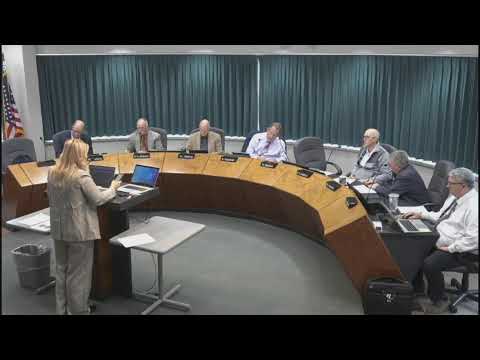
Kandiyohi County officials told commissioners on Oct. 21, 2025, that a federal government shutdown has halted approvals and payments for SNAP and the cash portion of MFIP, and county staff are coordinating with community partners to provide emergency food and housing help if the shutdown persists.
“Anybody that’s enrolled will not receive their November benefits,” County Administrator Kelsey Baker said at the meeting after reviewing a fast-changing timeline from state and federal agencies. Baker said county staff began triage operations after first receiving notice on Oct. 14 and alerted community partners, philanthropic groups and food-access providers.
Dana Wenish, the county’s financial assistant supervisor who oversees SNAP and MFIP income-maintenance work, said county staff processed and paid all eligible October benefits. Her team worked overtime to approve about 45 pending applications before state direction changed. She told the board that the statewide direction the county received prohibits approval of SNAP benefits processed on or after Oct. 15 for payment in November and that counties were asked to continue entering applications and renewals into the state eligibility system so approvals could be released if federal funding were restored.
Baker and Wenish gave local impact numbers the county had tallied from its case-management systems: about 3,951 county residents receive SNAP (1,699 children and 2,252 adults). MFIP numbers the county gave were about 449 people (313 children and 136 adults) who rely on the cash portion; the county said the average MFIP cash grant by case is about $584. Using current case data, the county estimated unpaid November MFIP shelter-related payments of about $30,092 if the cash portion is not distributed.
Later in the meeting the county provided dollar estimates for the immediate SNAP/MFIP disruption: roughly $523,600 in SNAP benefits would not be paid for November based on cases recorded through Sept. 30; MFIP-cash benefits not disbursed were estimated at about $49,120 for the county. County leaders said they were still seeking state and federal clarification on whether missed benefits would be “backfilled” and on whether counties would be reimbursed for any local emergency assistance provided in the interim.
County actions and planning steps described at the meeting included identifying high-risk recipients for outreach, creating an internal intake and triage process to connect families with Family First and social-services staff, updating staff scripts for callers, coordinating with local food shelves and faith-based charities, and requesting philanthropic assistance. Baker said the county would follow up with board members by email and would present more options to the board as the situation develops.
Commissioners urged aggressive outreach and contingency planning. Board members also asked whether the county could front local payments and get reimbursed later; county staff said they were seeking guidance from the Minnesota Department of Human Services and from the Association of Minnesota Counties on reimbursement possibilities.