Get Full Government Meeting Transcripts, Videos, & Alerts Forever!
Get email alerts on the Housing Affordability topic
No spam. Unsubscribe anytime.
Alamosa candidates outline housing strategies: housing study, new builds and caps on short‑term rentals
Summary
At the forum candidates and the mayor described multiple ongoing housing projects, emphasized a shortage of middle‑income units and discussed tools from grants to zoning and short‑term rental caps to expand and preserve housing.
Candidates at the Meet the Candidates forum described a multi‑pronged effort to address Alamosa’s housing shortage, citing city studies, new developments and regulatory tools as possible solutions.
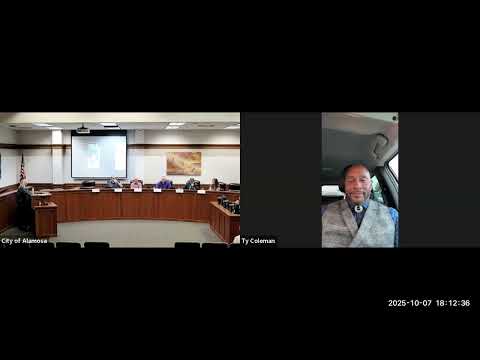
Mayor Ty Coleman said the city previously commissioned a housing assessment that showed the community was “several 100 houses short,” and he credited multiyear work with developers and funders to increase supply. “We’ve been working with different funding sources,” Coleman said, and he described multifamily developments and subdivisions under way as part of a multi‑year plan.
Jan Vigil (incumbent at‑large councilor) and other councilors said the city has backed a range of projects intended to serve different income levels: the Iron Horse apartments near the high school, work to secure the Mobile Century (Century Mobile Home Park) with the housing coalition, transitional units at Horizon Heights, the Boyd School housing project and a larger Southwest development referred to during the forum. Vigil highlighted a short‑term rental (STR) cap the council adopted to protect neighborhood housing stock: “We put a cap on the number of STRs that can be in that part of town,” he said.
Candidates offered different policy priorities. Alex Brown suggested stricter penalties on drug possession and named rent control and income‑based rental assistance as options to help families facing high rents. Mark Martinez emphasized building more affordable units and working with the Housing Coalition on grant applications. Zachary Reeves advocated a “Housing First” approach—placing people into housing to stabilize them—while also noting the need for more accessible dwelling units for people with disabilities.
Councilor Dawn Krebs and others said the city has used practical tools—facade grants to help storefronts, simplified permitting for accessory dwelling units or garage conversions that meet code, and targeted transitional housing—to increase supply without relying solely on large private development.
No candidate proposed a single immediate legislative change; several described continuing work with regional funders and developers and emphasized a mix of short‑term actions (grants, transitional units) and longer‑term supply increases.
The forum discussion did not produce a formal council vote. Candidates stressed that tackling housing requires coordinated funding, zoning decisions and targeted programs to preserve existing affordable units and expand mid‑income housing supply.