Get Full Government Meeting Transcripts, Videos, & Alerts Forever!
Get email alerts on the Fleet Management topic
No spam. Unsubscribe anytime.
Enterprise presents fleet‑management leasing to Dorchester County as a way to lower vehicle costs
Summary
Enterprise Fleet Management outlined a leasing and lifecycle plan for sheriff and general county vehicles, saying predictable replacement and resale timing could lower maintenance and fuel costs over time.
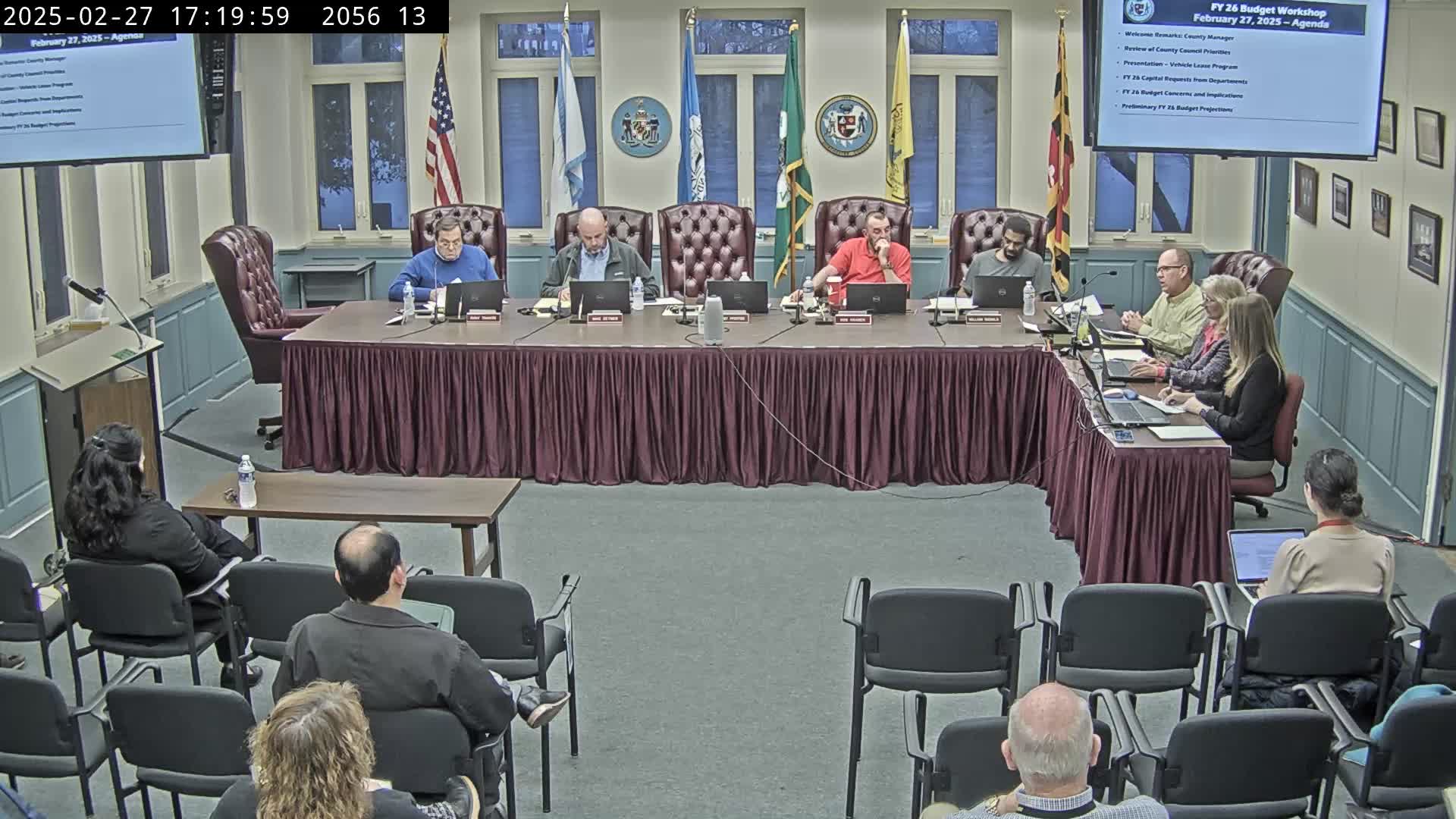
Enterprise’s fleet‑management division presented a proposal to Dorchester County officials to manage the sheriff’s vehicle fleet and the county’s general fleet with what the presenter called flexible, market‑value financing and a planned replacement cycle.
Michael Fitzpatrick, Enterprise area manager for Central Maryland and the Eastern Shore, told the council that Dorchester’s sheriff fleet had grown older over time: when Enterprise first reviewed the fleet about seven years ago the average vehicle age was about seven years with 18 vehicles over 10 years old. Enterprise previously proposed replacing roughly 47 sheriff vehicles by 2022; Fitzpatrick said the county has since replaced about 30 vehicles but has not sold older units as planned, which pushed the average fleet age to nearly eight years.
Fitzpatrick said a full implementation on the sheriff’s fleet and the county’s light‑duty fleet would reduce maintenance and fuel costs. He cited a historical example in which Enterprise’s plan showed roughly a 30 percent reduction in maintenance cost and an approximately $500,000 savings over ten years for the sheriff’s vehicles under an optimal replacement schedule. “Our goal is to help our clients drive down every cent per mile driven by a county vehicle,” Fitzpatrick said.
Enterprise described an “open‑ended equity” financing model—distinct from a consumer lease—where the vendor manages acquisition timing, predictable holding periods and resale to optimize the county’s total cost of ownership. Fitzpatrick said counties can also choose to pay cash (self‑fund) or use the flexible finance model depending on budget constraints; he noted roughly 90 percent of their clients use the market‑value finance approach and that the county also has the option to purchase vehicles outright.
County Manager Jerry Jones asked how the program would function if the county misses a planned replacement year because of budget limits; Fitzpatrick answered that the financing and self‑fund options exist to preserve feasibility. Fitzpatrick recommended creating an internal replacement fund to stabilize the fleet budget and emphasized that resale timing is critical: holding vehicles beyond resale windows sharply reduces future resale value and increases maintenance costs.
Why it matters: The sheriff’s capital ask in the county’s FY26 request included dozens of vehicles; staff said replacing and selling older vehicles on a planned cycle can materially reduce lifecycle costs and help manage capital needs amid broader budget pressure.
Next steps: Fitzpatrick said Enterprise will continue discussions with county staff and the sheriff’s office to refine counts, pricing and timing; the county did not take immediate action at the meeting.