Get Full Government Meeting Transcripts, Videos, & Alerts Forever!
Get email alerts on the Dropout Prevention topic
No spam. Unsubscribe anytime.
WMI reports higher graduation rate, outlines dropout‑recovery pilot for older students
Summary
WMI staff reported rising graduation numbers and outlined a proposed dropout recovery and prevention (DRP) program targeting older students and those who struggled in full time online distance learning; the board was briefed and staff will return with a more detailed proposal.
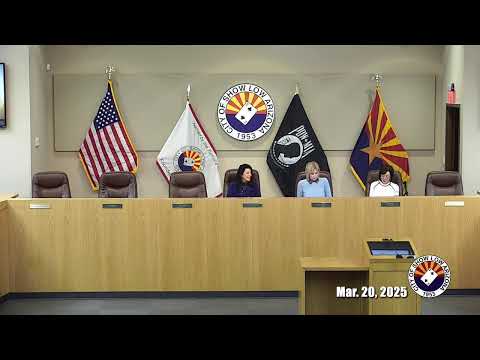
Reagan Roach, lead staff at WMI, presented an update to the Show Low Unified District Board of Education on the site’s alternative education and dropout recovery work.
Roach described WMI’s mission as serving underserved or at‑risk students through individualized, flexible and structured alternative educational experiences. She told the board that last year the program graduated 23 students and that this year it is on track to graduate about 27; she said WMI’s graduation rate improved from 37 percent to about 90 percent in one year for the population she oversees. Roach said the site currently has 47 in‑person students and four distance learners and reported 720 volunteer hours for the site this year.
Roach described efforts to provide wraparound supports — including home visits, mentoring, internships and community partnerships — and said staff are moving away from an all‑at‑home distance learning model after finding increased anxiety and poorer outcomes for some students who had little in‑person contact. She said the proposed dropout recovery and prevention (DRP) option would be a flexible, individualized pathway primarily intended for older students (the typical DRP is for ages 16 to 21; Roach said the district might extend eligibility on a case‑by‑case basis) who have dropped out or struggle to meet hour‑based enrollment standards for online distance programs.
Roach said DRP students would work at their own pace, receive mentoring support and access to tutoring and college or career planning. She argued the DRP could improve re‑engagement, accreditation and job prospects for students who otherwise are unlikely to return to a traditional schedule. District administrators described the DRP as a program that staff will research with the state and bring back as a more robust proposal for board consideration; no formal action was requested or taken at the meeting.
Clarifying details noted during the presentation: WMI reported graduating 23 students last year and projecting about 27 this year; Roach reported the site has 47 in‑person students and four distance learners; she also reported the site had completed 720 volunteer hours and that one student completed a diploma three days before her 20th birthday.