Get Full Government Meeting Transcripts, Videos, & Alerts Forever!
Get email alerts on the Budget topic
No spam. Unsubscribe anytime.
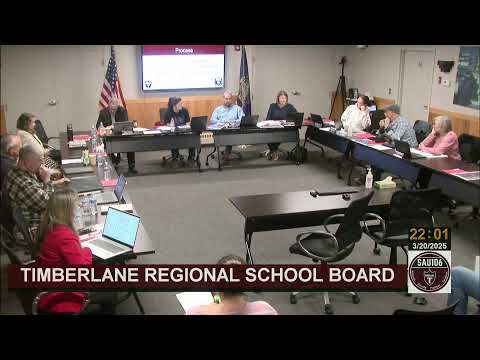
Superintendent outlines $6.6M reduction plan for FY26; board to choose further adjustments by April 3
Summary
The superintendent presented a plan to close a $6.6 million shortfall for fiscal 2026, listing $3.53 million in salary/benefit reductions, $765,208 in building/department cuts, $900,000 in transportation reductions and $1 million from capital.
Superintendent Justin Krieger presented the district’s plan to meet a $6,626,151 reduction target after the March vote altered the budget. He described an initial, multi-pronged proposal that together leaves a remaining shortfall of about $428,000 and asked the board for direction on how to close that final gap.
Krieger said the teams of principals, directors and board representatives identified $3,532,403 in salary and benefit reductions across 36 positions. He said those 36 positions break down into 4 positions expected to be removed through attrition, 22 currently vacant positions that can be left unfilled, and 10 positions that would require a reduction in force. “We are looking to make reductions 12% from the last year voted budget,” Krieger said while explaining the math from the original proposed budget through BudCom changes and the voters’ revisions.
Other proposed cuts include $765,208 of building and department reductions identified by principals and directors (72 line‑item reductions including classroom supplies, instrument overhauls, some trip subsidies and discretionary professional development), $900,000 in transportation savings through vendor routing efficiencies and other adjustments, and $1,000,000 from the capital/CIP line.
Krieger emphasized the district’s starting premise: minimize impacts on people while preserving core instructional programs. He also noted risks: increasing assumed health insurance savings (the administration proposes an additional $1,000,000 risk on health benefits) and potential increases in special-education contracted services if staffing is reduced. The finance director noted two towns’ late tax payments — about $4.1M combined — that affect year‑to‑date revenue figures but do not change the reduction target the board must address.
The superintendent requested board direction on April 3: whether to prioritize additional staffing reductions, take more budget risk (for example on insurance and other lines), or cut further from capital/CIP (including possible changes to the timing of lease or CIP phases). Board members debated tradeoffs: several urged protecting classroom positions and student services, some urged deeper CIP reductions since the lease continues to provide capital funding, and others expressed concern about transportation vendor capacity if reductions proceed.
Krieger said administration will return April 3 with detailed line‑item impacts, names of positions affected where legally appropriate, and implementation steps for any direction the board provides.