Get Full Government Meeting Transcripts, Videos, & Alerts Forever!
Get email alerts on the Wildfire Debris Dtsc topic
No spam. Unsubscribe anytime.
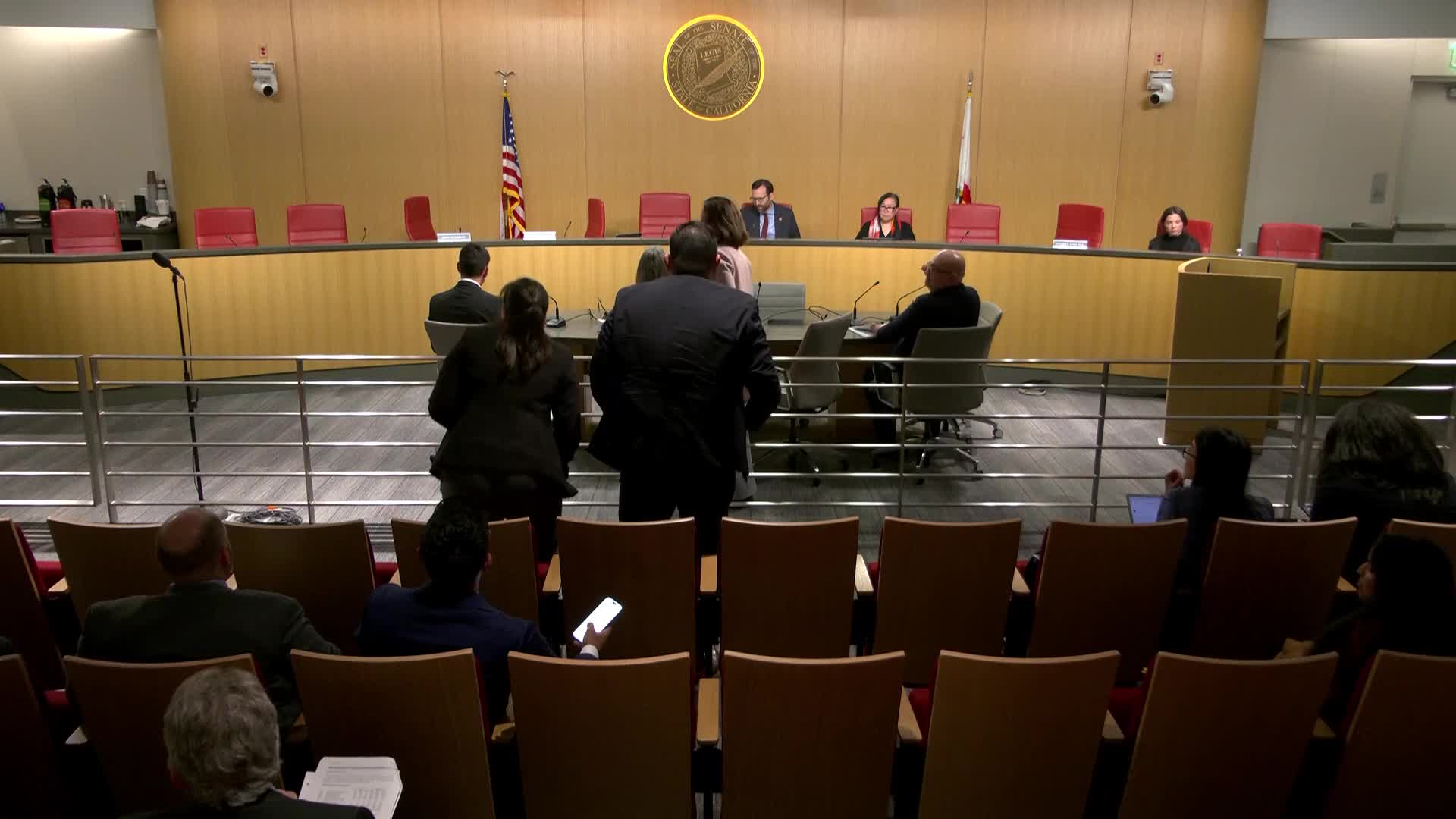
DTSC: Phase 1 hazardous removals complete; senators and residents press for testing and oversight of wildfire debris
Summary
DTSC described its role in Phase 1 hazardous removals from recent Los Angeles wildfires and told the Senate subcommittee it is coordinating with federal and local agencies; senators and residents pressed for more confirmatory testing and stronger community notifications about debris staging and disposal.
The Department of Toxic Substances Control briefed the Senate Budget Subcommittee No. 2 on its role in wildfire debris response, explaining DTSC—s Phase 1 work to remove hazardous household materials and lithium batteries and describing coordination with federal responders.
"DTSC assisted US EPA in conducting the phase 1 cleanup, and that is the removal of the hazardous waste from all of the residential and commercial properties," Director Catherine Butler said at the March 20 hearing, noting that the initial hazardous-material removals were completed rapidly to limit additional contamination.
Lawmakers and members of affected communities expressed concern about how ash and debris are being staged, transported and accepted at receiving facilities. Senators asked whether municipal landfills routinely test incoming loads for hazardous constituents; DTSC said hazardous waste is accepted only at permitted hazardous-waste landfills and that municipal landfills accepting ash and debris work under oversight from multiple state and local agencies, including CalRecycle and regional water boards.
Butler also told the committee that the U.S. Army Corps of Engineers and FEMA have indicated they are not performing confirmatory post-removal soil testing for all properties, a point several senators said raises community anxiety and requires clearer public communication. DTSC said it will coordinate with county health departments, CalRecycle and federal partners and that it can investigate complaints about handling and transport if residents report potential violations.
Why it matters: Wildfire debris often contains metals, batteries and household chemicals that can pose exposure risks if not removed and contained. The scale of recent fires has pushed state and federal agencies to move material to local facilities—sometimes near populated areas—raising questions about monitoring, dust control, transport safeguards and long-term landfill post-closure protections.
Next steps: DTSC said it will continue technical assistance for soil sampling protocols, coordinate with local public-health agencies on sampling and accept community complaints for investigation. Senators asked agencies to provide clearer public information about staging, testing and the locations receiving wildfire debris.
Ending: DTSC officials acknowledged the scale of the response presents communication and coordination challenges and said they will work with federal and local partners to increase transparency and ensure compliance with protections for workers and nearby communities.