Get Full Government Meeting Transcripts, Videos, & Alerts Forever!
Get email alerts on the Homelessness Shelter Operations topic
No spam. Unsubscribe anytime.
United Way daytime shelter closure leaves residents and providers urging emergency funding
Summary
Clients and United Way staff told the Appropriations committee that closing daytime services at the Bismarck United Way shelter has worsened health and safety outcomes; the shelter director said the program needs roughly $65,000 per month and a $200,000–$250,000 annual gap to restore 24/7 daytime operations.
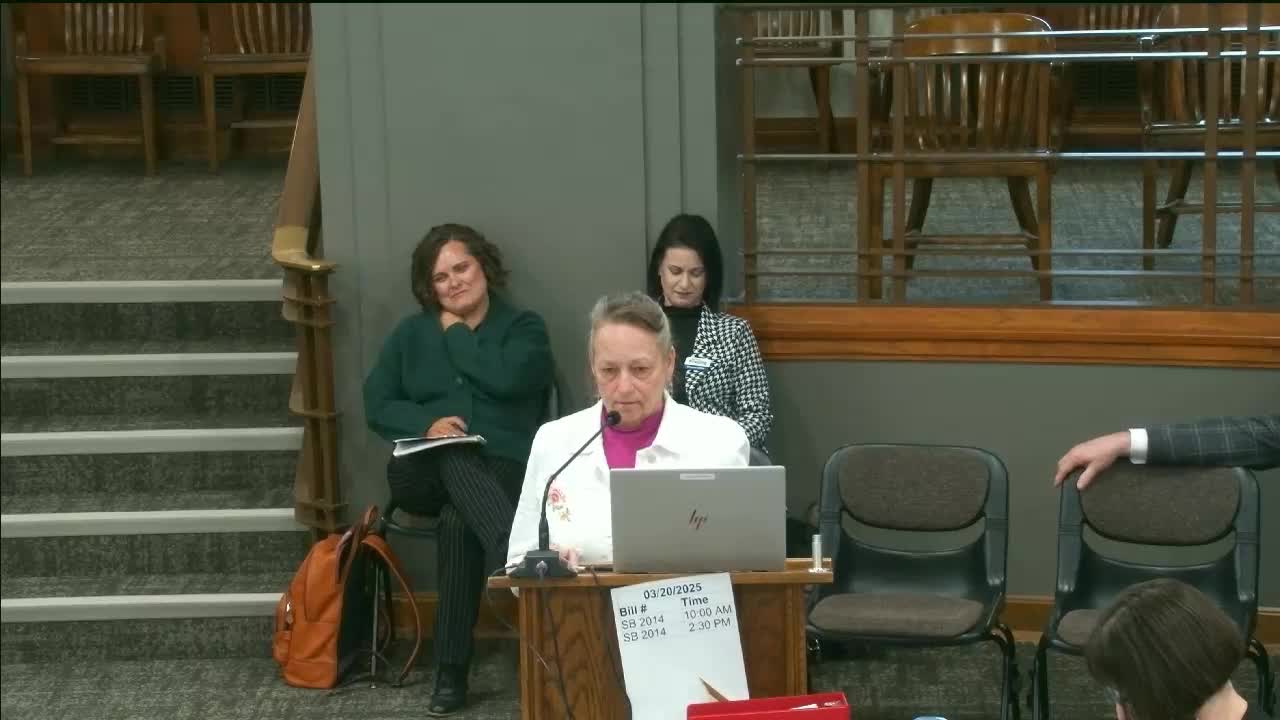
Residents of the Bismarck United Way shelter and the shelter's executive director testified to the House Appropriations committee that closing daytime operations earlier in the year has left people sleeping outside during the cold, increased emergency medical calls and limited access to on-site case management.
"Everybody at that shelter...a lot of people that are left there are elderly. So I'm watching 5 people in walkers going downhill fast," said Stacy Peterson, a resident who said she traveled from Minot. Peterson described frequent ambulance calls for shelter residents and said the closed daytime hours make it difficult for people to recover from illness.
Matthew Doctor, another shelter resident, said the March 3 daytime closure increased barriers to accessing services and that walking between daytime locations and nighttime sheltering has been difficult for residents who are working or seeking services.
Shelter leaders provided budget figures. "It's about $27 per resident. That equals about $65,000 to run it well," Jenna Ungalo, executive director of the United Way shelter, told the committee. Ungalo said the shelter currently receives $138,000 from the North Dakota Homeless Grant but faces a funding gap of roughly $200,000 to $250,000 a year to sustain daytime operations. "We had to close during the daytime on March 3," she said.
Committee members heard that shelter daytime operations brought regular on-site services: behavioral-health providers, navigation to housing and benefits, financial and employment assistance and help with documentation. When daytime operations were available, Ungalo said 80 percent of people who used shelter services did not return to homelessness. She also described an incident that occurred within days after the daytime closure that required a police response and an ongoing investigation.
Several residents tied the shelter closure to worsening health outcomes. "By staying out in this cold, my back is shot...spending money on going out to eat every day...it's hard to save for an apartment," said a resident identified in testimony as Brian, who said he is moving into an apartment next month. Another resident, Dion Schilling, said the shelter previously provided referrals and on-site help that reduced mortality and hospitalization among clients.
Committee context: agency testimony earlier in the hearing had described the Emergency Solutions Grant and North Dakota Homeless Grant as oversubscribed; Jennifer Henderson, NDHFA, told the committee the Emergency Solutions Grant is federally funded at about $486,000 with a required match and that the North Dakota Homeless Grant had $2.5 million available but was oversubscribed by more than $5.7 million in requests for the biennium.
Policy options and requests: several witnesses and committee members noted a budget alternative that appeared in the Armstrong proposal—a $10 million one-time homelessness appropriation—and discussed transferring homeless-grant administration into the Housing Incentive Fund for administrative transparency. Ungalo told the committee the $10 million homelessness appropriation would help shelter operations if distributed through existing grant channels.
Next steps: the Appropriations committee continued hearing testimony. Shelter staff and residents urged lawmakers to prioritize shelter operations funding or direct funds through the North Dakota Homeless Grant and related emergency shelter funding streams to restore daytime services.