Get Full Government Meeting Transcripts, Videos, & Alerts Forever!
Get email alerts on the State Attorney General topic
No spam. Unsubscribe anytime.
Attorney General outlines state litigation strategy against federal actions, urges public education and support for civil legal work
Summary
Attorney General Peter Neronha described why the office brings actions against the federal administration, outlined recent lawsuits (including challenges to attempted funding freezes and birthright-citizenship actions), and asked for broader public support for increased resources to sustain these legal efforts.
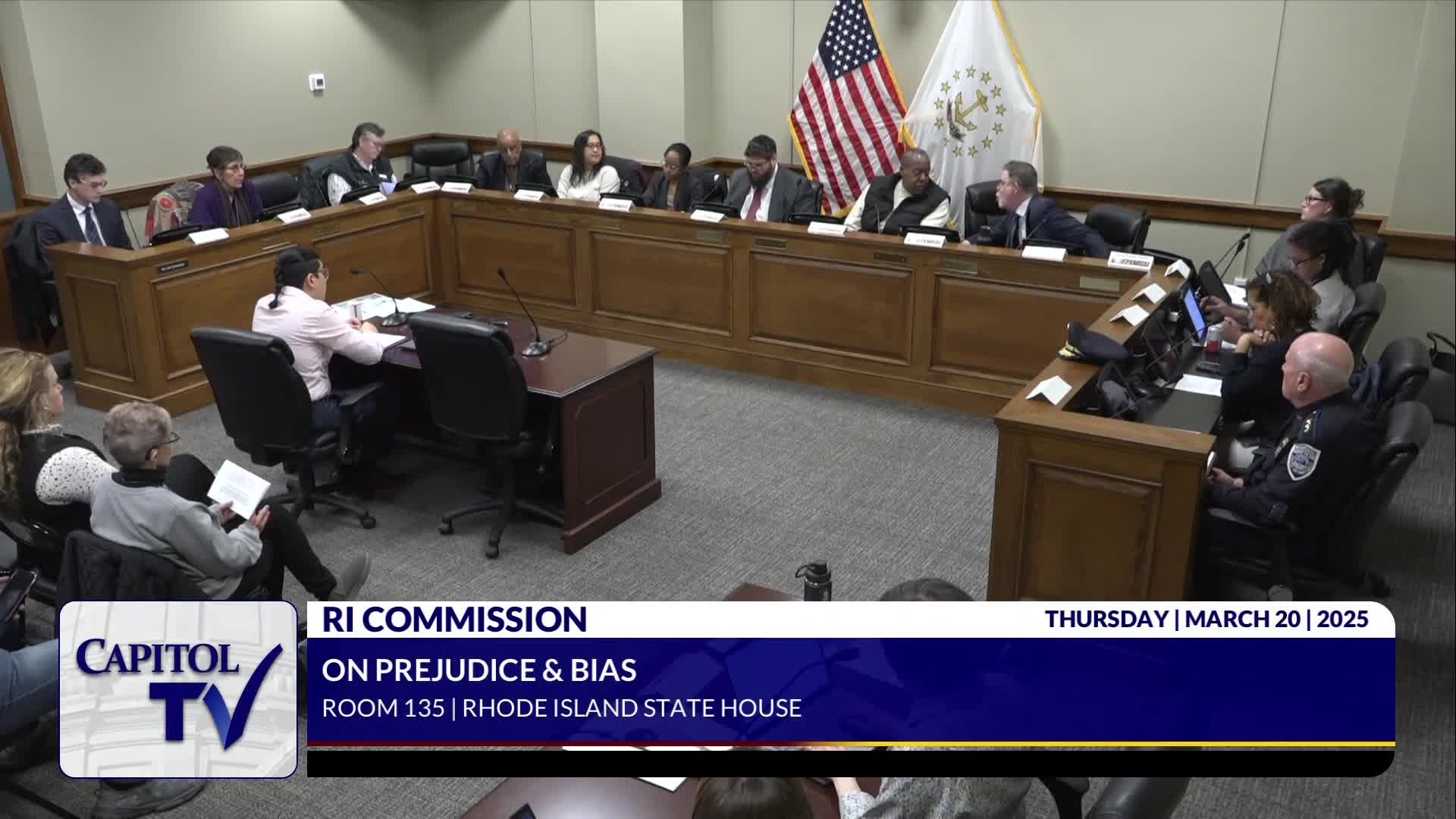
Attorney General Peter Neronha told the Rhode Island Commission on Prejudice and Bias that his office is pursuing suits against the federal administration when (1) the administration's action is demonstrably unlawful, (2) the action harms Rhode Islanders, and (3) the state has legal standing to sue.
Neronha described recent litigation and legal posture. He said the office joined cases challenging an executive-order effort to end birthright citizenship and a separate action when the administration sought to freeze federal funding that would otherwise flow to Rhode Island. "We believed that the president's attempt to do away with birthright citizenship by executive order directly violated the Fourteenth Amendment," Neronha said, and his office joined other state lawsuits. He said the funding action included Medicaid and other federal dollars and that his office's filings sought to protect funds the state relies on.
Why it matters: the attorney general framed those actions as protecting Rhode Island's legal and fiscal interests — Medicaid and other federal receipts contribute to state services — and described the office's criteria for intervention. He urged public and gubernatorial support for additional resources to expand the civil team that brings such lawsuits.
Details and examples
- Birthright citizenship: Neronha said the administration’s effort to overturn birthright citizenship would violate the Fourteenth Amendment and that Rhode Island joined litigation in federal court challenging the executive action.
- Funding freeze: Neronha said the administration attempted to pause or freeze federal funds, including Medicaid reimbursements; Rhode Island’s Medicaid office was, he said, unable to draw down funds during that pause. He cited an affidavit by a state official documenting the inability to draw funds and said the team filed suit quickly with other states.
- Broader posture: Neronha described a three-part rubric the office uses to decide whether to sue: illegality, harm to Rhode Islanders, and standing as a state to sue on behalf of the state. He framed the office’s civil team as intentionally staffed to litigate on offense as well as to defend state agencies.
- Resources and next steps: Neronha said the office has had near-universal success in federal courts so far and urged the governor and the public to support expanding the attorney general’s budget for civil litigation. He cited Hawaii as an example where the governor provided $5 million to the attorney general’s office for similar work.
Commission response
Commissioners thanked the attorney general for the update and several members encouraged additional public-facing events and town halls to explain federal litigation implications for Medicaid and other services to constituents. Commissioner Joe Reddish and other commissioners urged that the commission consider partnering on public education events.
Quotation
"If we don't fight back and the president sidelines the Congress and turns them into either conspirators of silence or people who can do nothing but wail, and then undermines the judiciary...we all lose," Neronha said, arguing for the necessity of state legal action.
Context and next steps
Neronha said the office intends to continue identifying cases that meet the three-part rubric and to bring them rapidly, and he asked the commission to consider public engagement partnerships. He also asked for increased appropriations to hire additional civil litigators to sustain and expand these challenges.