Get Full Government Meeting Transcripts, Videos, & Alerts Forever!
Get email alerts on the Election Timing topic
No spam. Unsubscribe anytime.
Panel considers moving primary earlier to comply with federal military ballot deadlines
Summary
Senate Bill 741 would move Rhode Island's primary date earlier and tighten nomination filing dates to comply with the federal MOVE Act. Secretary of State and Board of Elections staff said the change would help meet federal timelines for military and overseas ballots; committee held the bill for further
Senate Judiciary reviewed Senate Bill 741, a proposal to change several election deadlines — primarily moving Rhode Island’s primary a week earlier and adjusting related filing and objection periods — to ensure compliance with the federal Military and Overseas Voter Empowerment (MOVE) Act.
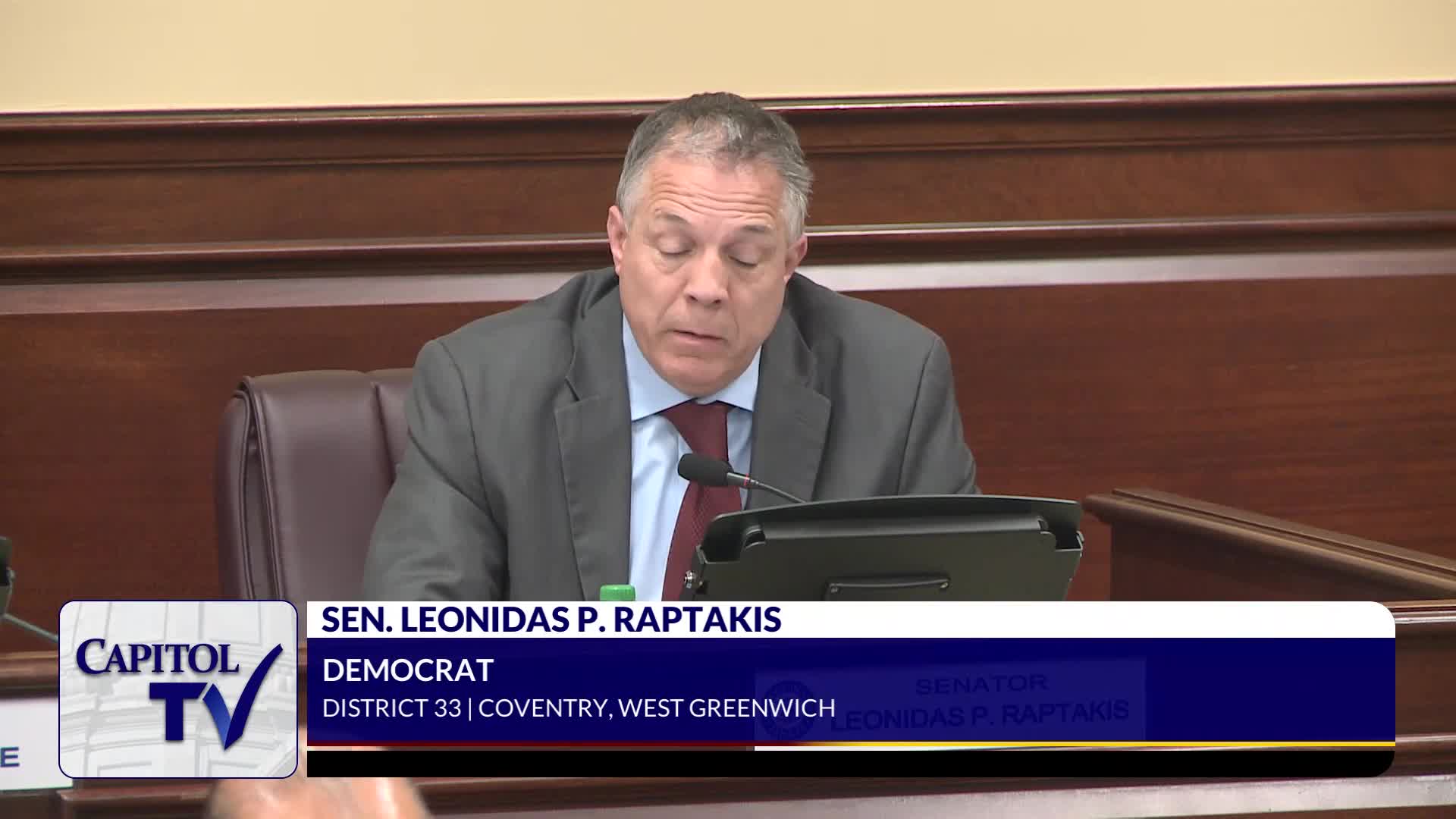
Sponsor’s rationale: Senator Repetakis said the later primary in Rhode Island makes it hard for the Secretary of State to meet the MOVE Act requirement that absentee ballots for military and overseas voters be mailed at least 45 days before the general election. “Our current primary date, the Department of State can barely meet, this mail ballot requirement for the general election,” Repetakis said.
Administrative perspective: Deputy Secretary of State Rob Rogers and Board of Elections officials supported the changes as a narrow and practical fix that would ease ballot proofing and the logistics of producing hundreds of ballot styles. Nick Lima, representing the Town and City Clerk’s Association, said even a week of additional time produces meaningful breathing room for proofing ballots and preparing accessible ballot styles and testing equipment.
Outcome: The board and clerks urged the committee to adopt the small calendar shift; the committee held the bill for further study to consider text clarifications and impacts on local nomination calendars.
Ending: Supporters said a modest change in timing would reduce legal and operational risk and better protect access for military and overseas voters; the committee will continue evaluating the proposal.