Get Full Government Meeting Transcripts, Videos, & Alerts Forever!
Get email alerts on the Public Health Vector Control topic
No spam. Unsubscribe anytime.
County briefed on possible third benefit assessment to fund vector control as Aedes aegypti emerges
Summary
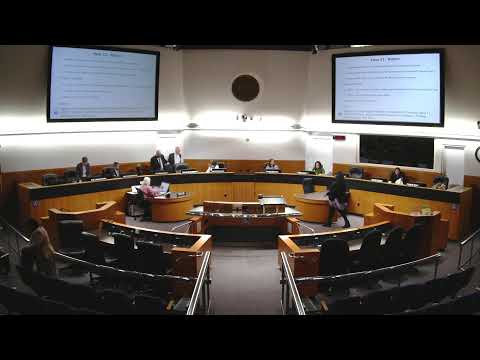
Santa Clara County staff and Vector Control District officials presented a report to the Housing, Land Use, Environment and Transportation Committee on March 20 outlining a possible third benefit assessment under the Proposition 218 process to stabilize the district’s long‑term funding.
Santa Clara County staff and Vector Control District officials presented a report to the Housing, Land Use, Environment and Transportation Committee on March 20 outlining a possible third benefit assessment under the Proposition 218 process to stabilize the district’s long‑term funding.
The presentation summarized the district’s budget position, recent mosquito surveillance findings (including detections of Aedes aegypti) and a multi‑step outreach, survey and engineering process that would precede any mailed, property‑owner vote on an assessment.
Why this matters
Vector control services protect public health by reducing mosquito and other vector disease risks. County staff told the committee the district faces a near‑term budget shortfall and depleted reserves that impede its capacity to respond to mosquito threats, including invasive species linked to disease spread.
Key points from the presentation
- Budget and reserves: Staff said the Vector Control fund is operating with a structural deficit and has drawn down reserves. “Vector Control is experiencing a budget shortfall of close to $4,000,000,” said Buth Thai, administrative services manager for the department presenting the fiscal overview.
- Public‑health drivers: Presenters highlighted the first detection of West Nile virus in the county (2003) and multiple detections of Aedes aegypti during the last season; staff said the presence of Aedes aegypti raises concern because of that species’ capacity to transmit several human pathogens.
- Assessment process and timeline: The district described the Proposition 218 benefit‑assessment process — which differs from a parcel tax — and said ballots would be mailed only to property owners with a 45‑day return window. The county plans to commission an opinion survey, a preliminary engineering report and expanded outreach; staff said they expect to return with results and a recommendation to the Board by March 2026.
- Comparative rates and options: The report showed the district’s current charge per benefit unit ($14.63) compared with other Bay Area jurisdictions and argued the county’s per‑resident revenues are below peer counties. Staff also said they would consider adding CPI‑based escalators if a new assessment moves forward to avoid frequent returns to voters.
Committee response and action
Committee members asked about timing and voter messaging and urged staff to consider an escalator that would allow the assessment to keep pace with costs. The committee voted to receive the report. Vice Chair Arenas and Chair Margaret Abekoga voted in favor when the motion was called.
Next steps
Staff said they will work with a consultant (SCI Consulting Group named as a likely vendor) to prepare an opinion survey and preliminary engineering report; community outreach will follow. If the opinion survey suggests sufficient support, staff said they would return to the Board with a full recommendation and ballot strategy for a property‑owner mailed assessment.
What the ballot would look like
Presenters emphasized that a benefit assessment under Proposition 218 is a mail ballot sent to property owners only, with weighted votes based on the assessment amount tied to each parcel type and a 45‑day mail‑return period rather than a single election day.