Get Full Government Meeting Transcripts, Videos, & Alerts Forever!
Get email alerts on the Grade Level Realignment Wellness topic
No spam. Unsubscribe anytime.
Perkiomen Valley SD holds community working session on proposed grade realignment and wellness programs
Summary
Perkiomen Valley School District administrators convened a community working session to gather input on a proposed grade‑level realignment and to discuss student wellness initiatives, district Superintendent Dr. Barbara Russell said during opening remarks.
Perkiomen Valley School District administrators convened a community working session to gather input on a proposed grade‑level realignment and to discuss student wellness initiatives, district Superintendent Dr. Barbara Russell said during opening remarks.
"The purpose of this evening is really to engage in more dialogue, civil discourse, if you will, at a more intimate level," Russell said as she outlined the meeting format and goals.
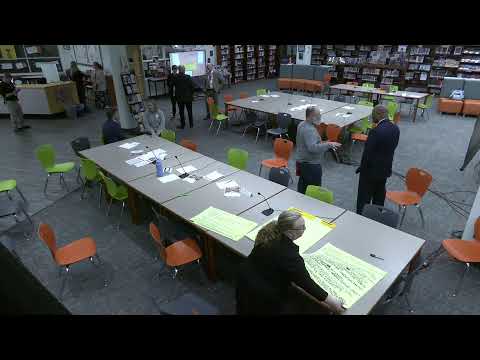
The session paired two committee meetings as working sessions: a wellness committee scheduled from 6 to 7 p.m. and an Education Committee of the Whole scheduled to follow. Attendees were split into rotating small groups and asked to discuss two stations in the first hour — daily schedules and school start times, and extracurricular activities — and to report key takeaways at the end of the hour.
The wellness portion included a brief presentation from the district's supervisor of health and wellness, identified in the session as Ms. Dreisbach, who described two initiatives the district sought the committee's informal support to relaunch. "May is mental health month. It's also physical fitness month. We are again seeking approval to launch the second green light campaign for PV to promote mental health awareness and wellness throughout our community," Dreisbach said, adding the program encourages displaying green light bulbs at homes, businesses and schools to signify mental health awareness. She also described a second‑year wellness calendar challenge for K‑12 students, staff, families and community members that will focus on physical activity, nutrition and mental well‑being.
When Dreisbach asked the group whether it would participate in a second year of the green light campaign and the wellness calendar challenge, Russell and other administrators sought informal assent; a facilitator asked, "Anybody opposed to these ideas?" The group responded without objection.
Administrators and board members circulated among tables as facilitators. Russell instructed that each small group select a non‑administrator community member to report the group's takeaways by microphone at the end of the first hour so their remarks would be included in the livestream recording. The district also provided "parking lot" sheets for attendees to submit questions or concerns that were not addressed during the small‑group conversations.
District staff described plans for the broader Education Committee session, which will include stations on enrollment trends and building capacities, academics and student services, and transportation and transitions. The working session format was intended to allow community members to hear one another and provide input that the administration can use as it refines its recommendation on grade configuration.
No formal board vote on grade‑level realignment or the wellness initiatives was recorded during the working session; the green light campaign and wellness calendar challenge received informal committee support during the meeting. The district did not provide implementation timelines, budget figures or binding policy changes during the session.
The meeting proceeded as a facilitated listening session with planned report‑outs near 7 p.m.; administrators said feedback from these small groups will inform the administration's continuing work on its recommendation.