
Mayors, patients and manufacturers urge clearer hemp rules and local powers to combat illicit cannabis sales
Get AI-powered insights, summaries, and transcripts
Sign Up Free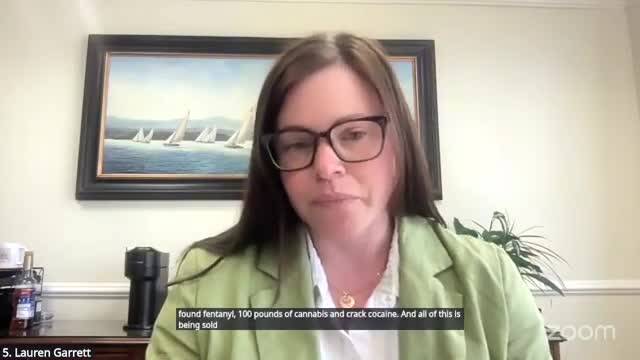
Summary
Municipal leaders, patients and hemp manufacturers told the General Law Committee that illegal, high‑THC products sold in smoke shops and corner stores are undercutting the regulated market and putting children and public safety at risk.
Municipal leaders, patients and Connecticut manufacturers told the General Law Committee that illicit, untested cannabis products sold in convenience stores, smoke shops and bodegas are a growing public-health and law-enforcement problem and have called for clearer rules to protect legal retailers and patients.
At the same public hearing, hemp farmers and licensed manufacturers urged lawmakers to pass changes to state hemp law so legal, natively extracted hemp products and research can continue in Connecticut — and to delay a regulatory shift toward so-called "final-form" testing that businesses say raises costs and causes supply problems.
What committee members heard - Local officials called for tools to stop illegal sales to minors and strip illegal products from storefronts. West Haven Mayor Nancy Borer and Hamden Mayor Lauren Garrett described raids and seizures of illegal products, including fentanyl and unregulated cannabis sold alongside tobacco and vapes. Garrett said her police found "fentanyl, a hundred pounds of cannabis, and crack cocaine" in a single smoke-shop raid, underscoring public-safety concerns and the strain on local enforcement (transcript: s4154.15). - Patient advocates and the state cannabis ombudsman said restrictions on hemp-derived products have worsened medicine shortages. The Ombudsman told the committee that veterans, seniors and people with chronic conditions are struggling to find consistent CBD/CBG preparations and warned that some patients are reverting to opioids for symptom control (transcript: s4706.96 onward). - Licensed manufacturers and lab operators warned that an administratively driven move to "final-form" testing — testing products after they are packaged for retail rather than testing bulk or intermediate materials — is driving up costs and creating unnecessary product retesting and waste. "This mismatch leads to inconsistent testing, inflated costs, and regulatory inefficiencies, all without a clear benefit to public health," said Rina Ferrisi of Affinity Grow (transcript: s9755.165).
Hemp, testing, and the regulated market Manufacturers asked for a pause while the legislature studies whether testing rules and lab requirements should be adjusted for botanical products. They said Connecticut’s current approach forces some local producers to dilute or otherwise alter inputs out of state, eroding Connecticut manufacturing. Several witnesses urged the committee to adopt statutory safe‑harbor language allowing hemp processors to produce infusions and other water‑soluble ingredients destined for states with higher per‑serving limits, while ensuring those products never enter Connecticut retail shelves.
Social equity and illicit storefronts The Social Equity Council’s testimony opposed some proposed changes that would let some social-equity cultivators convert licenses earlier, fueling debate among advocates. Cannabis industry advocates said trust among stakeholders has frayed and urged cooperative, patient‑focused policy; some longtime advocates said task forces targeting illicit shops risk retraumatizing communities previously targeted by aggressive drug enforcement.
Why it matters: Illegal high‑THC products sold outside the regulated market have been implicated in overdoses, student exposures and enforcement headaches that threaten public safety and the viability of licensed retail and manufacturing. Meanwhile, Connecticut hemp farmers say current state law and lab rules have closed off legal manufacturing options and research that once flourished here.
Quotes from the hearing - "It's incredibly dangerous. They also found guns," Mayor Lauren Garrett said of a Hamden smoke‑shop raid that recovered illegal drugs and weapons (transcript: s4154.15). - "This mismatch leads to inconsistent testing, inflated costs, and regulatory inefficiencies, all without a clear benefit to public health," said Rina Ferrisi, a licensed cultivator and manufacturer (transcript: s9755.165). - "Patients over profits always," said cannabis advocate Duncan Markovitz, underscoring calls to prioritize medical-patient access and small local producers (transcript: s7425.015).
What lawmakers and regulators asked for Committee members asked the Department of Consumer Protection to explain the rationale for final‑form testing, whether a one‑year pause would be practical, and how safe‑harbor rules for hemp products could be written to avoid products leaking into Connecticut retail. Legislators also discussed better local notice and renewal authority for tobacco and related retailer permits so municipal police chiefs can flag problematic outlets when licenses come up for renewal.
Next steps Sponsors said they will seek language that balances enforcement against illegal storefronts with protections for legacy caregivers and small, local hemp and cannabis manufacturers. The committee indicated it will try to draft statutory safe‑harbor language and refine enforcement/remedy language for municipal input and tobacco permit renewals before the session ends.