Get Full Government Meeting Transcripts, Videos, & Alerts Forever!
Get email alerts on the Finance Audit topic
No spam. Unsubscribe anytime.
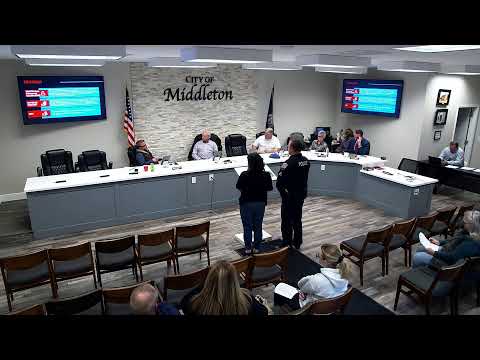
Middleton council accepts clean audit for fiscal year ending Sept. 30, 2024
Summary
Independent auditors from Ziegert John Associates reported a materially correct set of financial statements and no reportable findings; the council voted to accept the 2024 audit and heard highlights including fund balances, a USDA loan balance, and an outstanding gravel exchange receivable tied to the roundabout project.
The Middleton City Council voted to accept the city’s financial audit for the fiscal year ending Sept. 30, 2024, after a presentation from Ziegert John Associates on March 19.
George Swider of Ziegert John Associates told the council that the firm reviewed financial statements and supporting documents and concluded “in our opinion, they’re materially correct,” adding the presentation covered balance‑sheet highlights, fund results and long‑term liabilities. Swider walked the council through major fund balances and changes in reserves, including an increase in the general fund reserve and significant activity in water and sewer funds.
Key figures presented by the auditor included: an approximate $7.1 million year‑end general fund cash balance; a street fund balance reported at about $8.3 million; impact fees of just under $5 million; and business‑type fund balances including water (about $7.1 million) and sewer (about $8.7 million). The auditor noted the city’s USDA loan had an outstanding balance of roughly $2 million with future payments scheduled through 2043. Swider also noted a remaining receivable tied to a gravel‑for‑work exchange with Knight River of about $1.5 million related to roundabout work.
The audit presentation showed the general fund brought in roughly $6.6 million in revenue and ended the year with an increase in reserves; the street fund and impact‑fee fund also showed net increases driven by transfers and project timing. The auditor said only the police department exceeded departmental budget due in part to capital lease accounting for vehicle leases.
On internal controls, Swider said the auditors review reconciliations, invoice approvals and time‑sheet approvals and reported no findings: “Everything we’ve requested was given to us. We had access to anything we needed. All the documentation was in good order for us to look at. So it was a good clean audit.” He also explained the standard audit caveat that material weaknesses could exist but were not identified by their procedures.
A motion to accept the audit was made and seconded and the council approved the audit by voice vote.
Council members thanked the auditors and asked routine follow‑up questions about lease accounting and receivables; staff noted planned budget workshops where the audit figures will inform upcoming budget decisions.