Get Full Government Meeting Transcripts, Videos, & Alerts Forever!
Get email alerts on the Education topic
No spam. Unsubscribe anytime.
Committee hears technical fixes to early-literacy initiative; bill would expand professional development and regional coaching
Summary
House Bill 3,040 would refine Oregon’s early-literacy program by expanding professional development to include instructional assistants, requiring adoption of research-aligned materials, and building regional literacy coaching capacity.
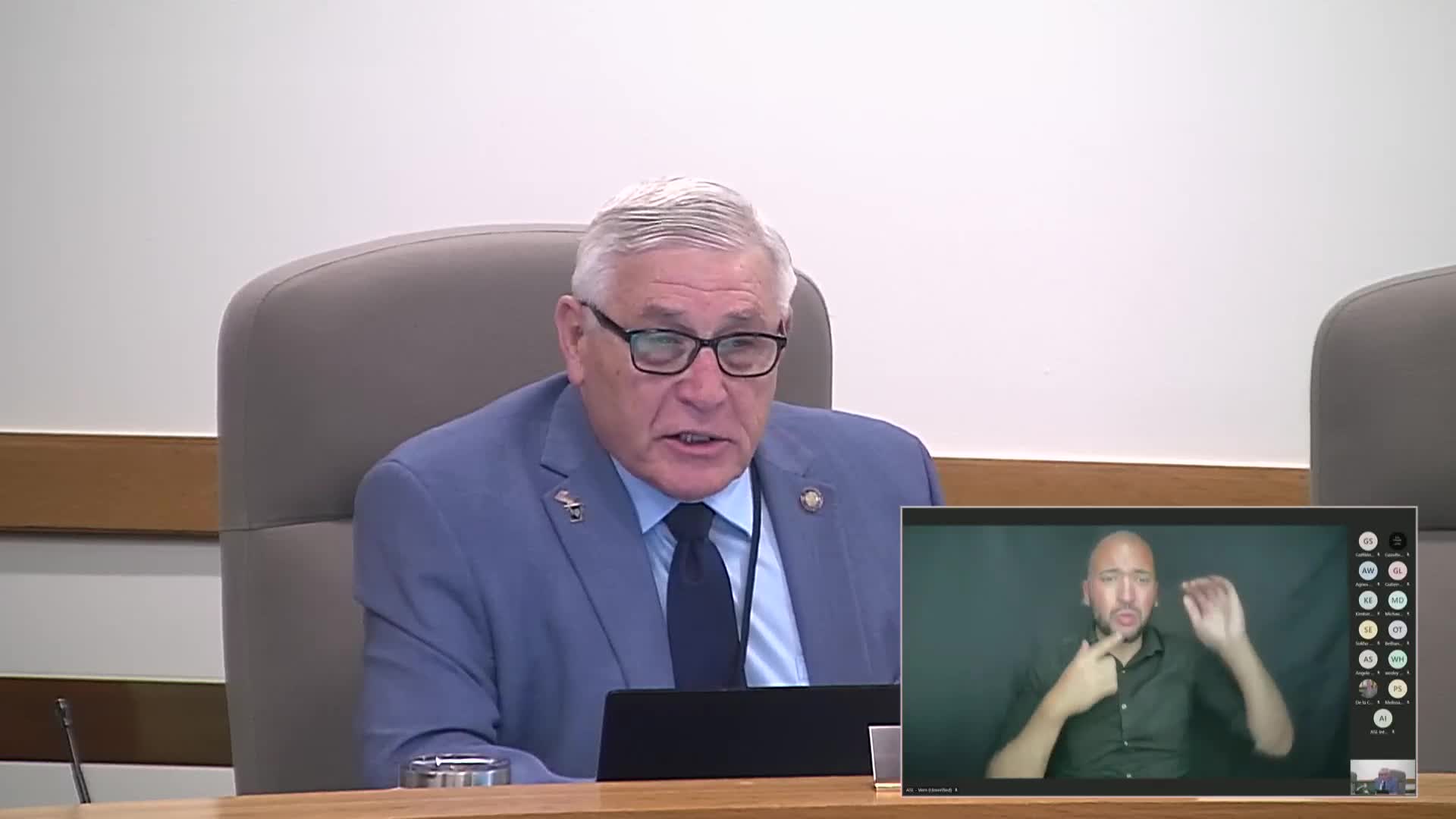
The House Education Committee on March 19 considered House Bill 3,040 and a dash-1 amendment that supporters said would make technical changes to Oregon’s Early Literacy Success Initiative.
Representatives and witnesses — including Rep. Jason Kropp, the governor’s education initiatives director Jonna Timbs, and Oregon Department of Education Director Charlene Williams — described the bill as a follow-up to earlier literacy work (including HB 3,198) to expand professional development and coaching, broaden eligibility for curriculum purchases through grade 5, and create regional supports to build district capacity for evidence-aligned reading instruction.
Key provisions described by supporters: the dash-1 amendment would (1) expand professional development eligibility to include instructional assistants and other staff who play a role in early literacy instruction; (2) require districts to adopt research-aligned core instructional materials from a State Board–approved list; (3) establish a program to build regional networks of literacy experts (to be implemented by ODE with ESDs, universities or other qualified entities); and (4) adjust reporting requirements and the use of statewide education-initiative funds to support the program.
Why it matters: Witnesses said the changes would scale training and coaching to classrooms statewide, strengthen use of evidence-based curriculum, and support targeted interventions such as high-dosage tutoring and extended learning opportunities. ODE said hundreds of educators and thousands of students already participated in year-one activities supported by the early literacy grants and that additional coordinated regional supports would help districts replicate successful practices.
Requests from districts and ESDs: Testimony from COSA and the Oregon Association of Education Service Districts asked for some flexibility for fourth- and fifth-grade uses, emphasized the ESDs’ role as regional coaching hubs, and requested additional biennial funding to operationalize statewide coaching and professional development.
Ending: Supporters urged the committee to adopt the technical fixes to accelerate statewide adoption of evidence-based literacy practices and build a sustainable regional coaching model; some witnesses asked the committee to consider additional funding to support statewide scale-up.