Get Full Government Meeting Transcripts, Videos, & Alerts Forever!
Get email alerts on the Education topic
No spam. Unsubscribe anytime.
Lawmakers hear broad support and concerns for permanent summer-learning funding and design
Summary
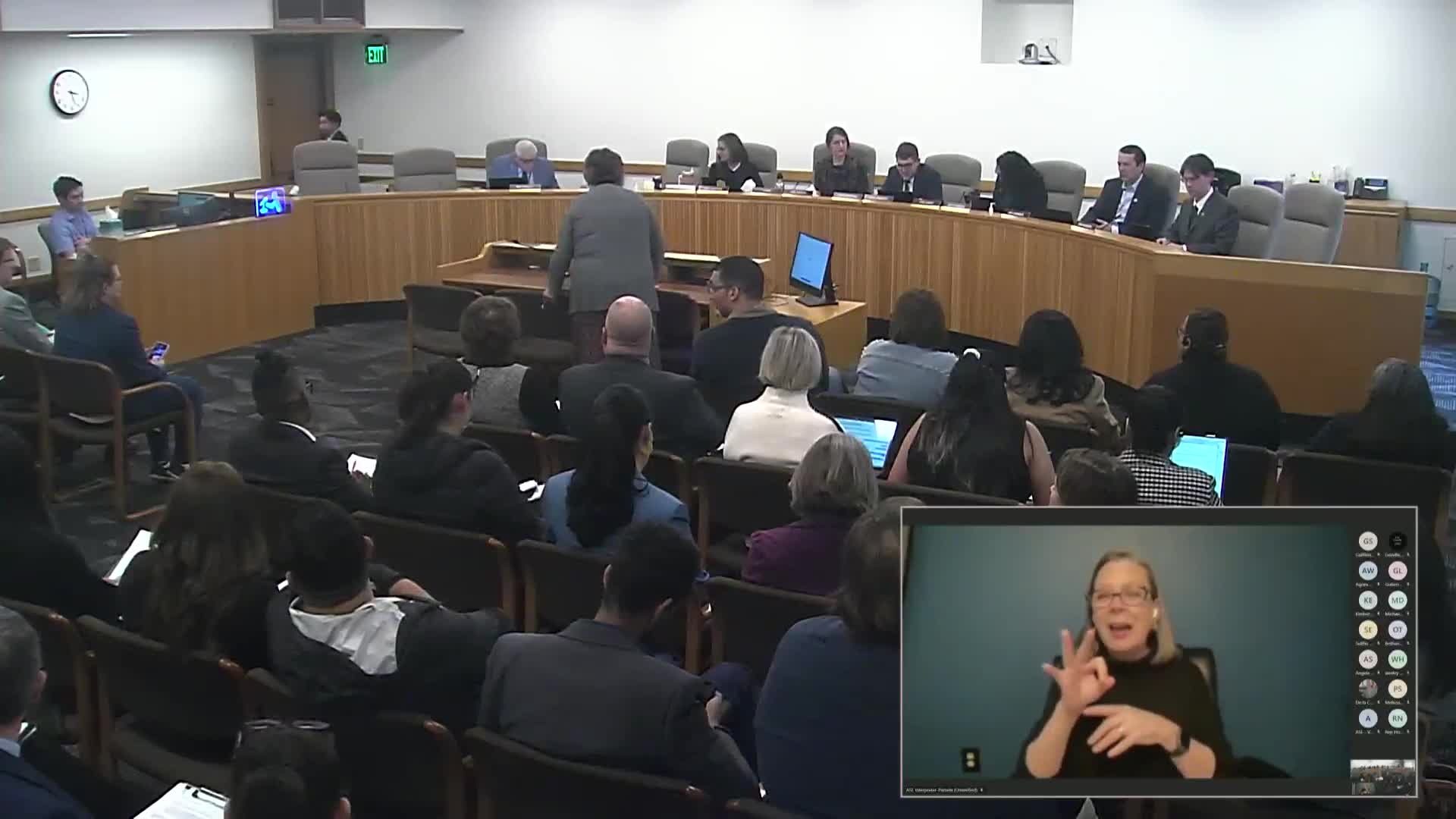
The House Education Committee on March 19 received extensive testimony on House Bill 2,007, a proposal to expand and stabilize Oregon’s summer learning program with a primary focus on improving reading proficiency.
The House Education Committee held a lengthy March 19 public hearing on House Bill 2,007, a bill to modify the Oregon Department of Education’s Summer Learning Program with a focus on improving reading proficiency. Lawmakers heard advocates, district staff and community partners emphasizing high-quality, evidence-based summer programming and urging sustainable funding and implementation clarity.
Representative Ricky Ruiz (HD 50), sponsor of the bill, framed the measure as building on the 2024 summer program to prevent the "summer slide" and target reading proficiency by third grade. Ruiz and several witnesses described research and pilot outcomes from 2024, including participant counts and reported academic gains from last year’s state summer grants. Supporters said summer programs interrupted learning loss and provided enrichment, credit recovery and social-emotional supports.
What supporters told the committee: Portland Public Schools and other district leaders described measurable gains among participating students — for example, district presenters cited high percentages of maintained or improved proficiency and improved foundational reading skills for elementary students. The Oregon Department of Education and the governor’s office said they have infrastructure and partnerships and were prepared to implement a literacy-focused summer program building on evidence-based models.
Concerns and requests from witnesses: Several community-based providers (including YMCAs, Foundations for a Better Oregon and culturally specific providers) requested flexibility to include enrichment activities, family engagement, social-emotional learning and culturally responsive programming; they also urged removing or easing matching-fund requirements that could exclude smaller or rural providers. Witnesses and some legislators also sought clarity on administrative cost caps, program reporting burden, access for fourth- and fifth-grade students, and how the bill would interact with existing summer/extended-learning funds such as credit recovery and federal grants.
Budget and implementation: Sponsors and agency staff discussed the governor’s proposed funding (cited in testimony at $35 million for the summer) and emphasized the goal of stable, ongoing funding for multiple years; one speaker asked the committee to consider consolidating related bills and work group recommendations into a single implementation plan.
Process note: Testimony included a mix of district and nonprofit leaders, the governor's education initiatives director and the Department of Education director. Several speakers said they supported the dash-1 amendment and were awaiting a forthcoming dash-2 that, they said, would clarify program details. The hearing closed with administrative matters.
Ending: Witnesses urged the committee to adopt a long-term, equitable approach that balances focused literacy gains with enrichment and family engagement; sponsors said they would continue to refine bill language and coordinate with ODE and community partners.