Oregon hearing considers doubling medical malpractice statute of repose from 5 to 10 years
Loading...
Summary
Senate Committee on Judiciary members heard extended testimony March 19 on Senate Bill 233, which would extend Oregon's statute of ultimate repose for medical malpractice claims from five years to 10 years and make the change effective on passage.
Senate Committee on Judiciary members heard extended testimony March 19 on Senate Bill 233, which would extend Oregon's statute of ultimate repose for medical malpractice claims from five years to 10 years and make the change effective on passage.
Proponents argued the five-year limit leaves patients without a remedy when injuries or surgical errors emerge years after care. Opponents from medical and insurance groups said lengthening the window would raise litigation and insurance costs and harm access to care.
Tisha (committee staff) told the committee, "Senate Bill 233 extends the statute of ultimate repose for medical malpractice claims to 10 years from the current 5 years." Senator James Ivory Manning Jr., who opened the first panel, said the bill is "a critical piece of legislation" and handed his time to a patient-witness, Jim Evangelista, who described prolonged pain after surgery and a missed diagnosis he said was only acknowledged by a surgeon more than five years later.
"Victims of medical injury live in trauma and have hidden injuries as I experience," Evangelista told the committee and urged bipartisan support. Don Corson, a Eugene-based trial attorney, said Oregon's five-year statute is unusually short and argued the bill is an access-to-justice reform, particularly for children who may lose legal rights if injuries surface later.
Opponents testified the current five-year window provides important protections. JL Wilson, representing medical professional liability carriers, said the statute of repose "is intended to keep costs reasonable in the healthcare system and to preserve access to care," and warned that extending liability would increase insurance premiums and litigation costs. Mark Bonanno of the Oregon Medical Association and Fawn Berry of the Oregon Liability Reform Coalition made similar points, emphasizing concerns about retroactivity and increased costs for retired physicians who may not carry extended tail coverage.
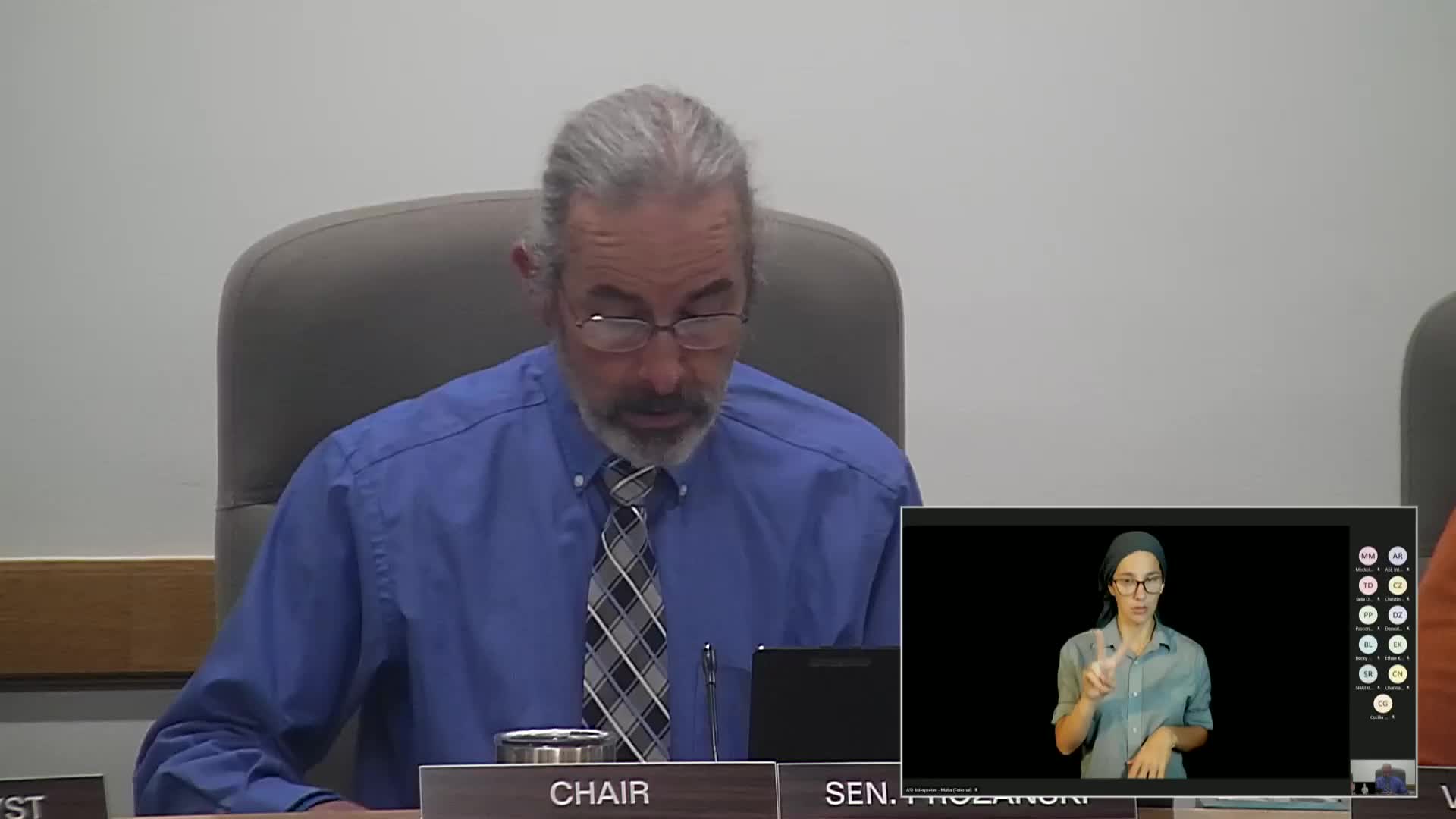
Committee members asked clarifying questions about existing exceptions. A representative for the defense side noted Oregon law has an exception allowing claims arising from fraud, deceit, or misleading representation to be filed within two years of discovery. Chair Prozanski and others referenced Oregon's Early Discussion Resolution program as an alternative pathway in complicated medical cases.
The hearing concluded with the committee closing the public testimony; no committee vote on SB 233 was recorded during the March 19 meeting.
The committee accepted written testimony through Friday at 3 p.m., and proponents and opponents said they would submit additional materials for the record.
The committee indicated it will continue to consider the measure at a later work session.