Get Full Government Meeting Transcripts, Videos, & Alerts Forever!
Get email alerts on the Public Defense District Defender topic
No spam. Unsubscribe anytime.
Public defenders and defense group urge caution as committee hears bill to create district defender offices
Summary
At a public hearing on House Bill 3,376, defense providers said the measure to establish a district defender in each judicial district raises questions about potential duplication, cost and the role of local providers; the bill's amendment removes language about judge-level compensation.
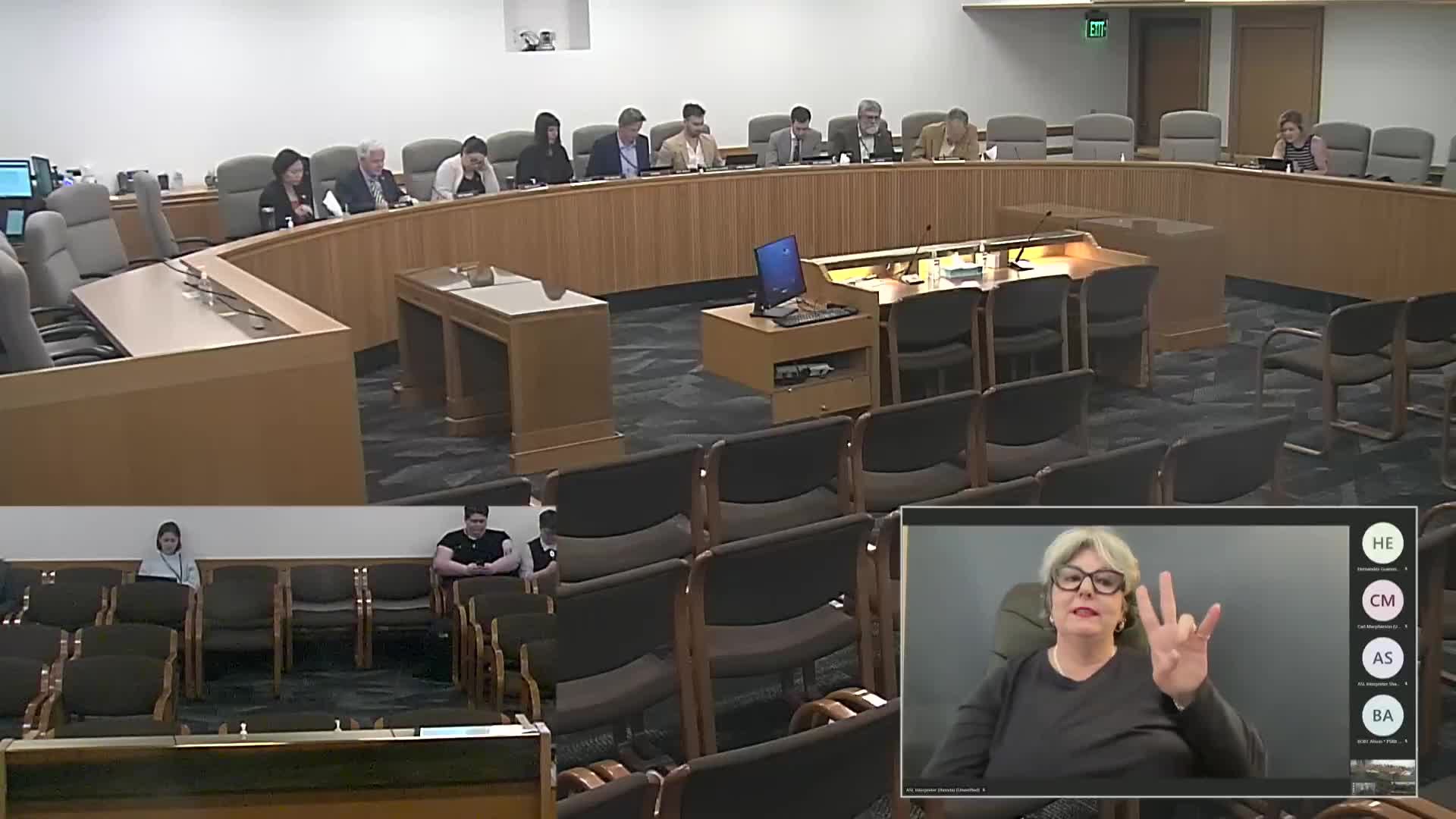
The House Committee on Judiciary held a public hearing on House Bill 3,376, a measure that would establish an office of the district defender in each judicial district and empower the Oregon Public Defense Commission executive director to appoint district defenders subject to commission approval.
The original bill set the district defender's compensation equal to that of a circuit court judge, but the -1 amendment before the committee removed the compensation language while retaining the offices and specifying powers and duties for the district defenders. Committee staff said the amendment was in front of members.
Carl McPherson, executive director of Metropolitan Public Defender, testified that while he agreed oversight is needed, the proposal "creates more questions than answers" for public-defense providers. McPherson said the measure could duplicate the state trial division and existing resource and program-analyst functions at the Oregon Public Defense Commission and could be costly at a time the state faces attorney shortages. He urged consideration of a regional manager model who could both provide oversight and remain active in caseloads to better understand local practice and challenges.
"I acknowledge and understand the desire for more oversight and agree that we need that," McPherson said. "...I would like the committee to consider something more along the lines of a regional manager." He warned that replacing local provider representation on local Public Safety Coordinating Councils with a state deputy-defender employee would be unhelpful and urged continued inclusion of local providers in cross-system meetings.
May Lee Browning, legislative director of the Oregon Criminal Defense Lawyers Association, said the district defender role is "an intriguing and creative" idea but urged preserving existing delivery models. She said contracted providers, nonprofits, consortia and law firms are "the most cost effective delivery models of public defense" and play a central role in training new public defenders. Browning warned that removing consortia would "worsen the unrepresented crisis." She also clarified that the bill was not requested by the Oregon Defense Consortia Association.
Committee members and staff noted the bill interacts with ongoing policy and budget discussions about public defense, including a separate bill that would address the time limit on consortia. The committee closed the public hearing; no committee vote on HB 3,376 was recorded in the hearing transcript. Lawmakers said the coming weeks would include heavier calendars and additional hearings on related measures.
Next steps: The committee will continue policy and budget discussions on public defense and may take further action on HB 3,376 in subsequent work sessions or floor action.