Get Full Government Meeting Transcripts, Videos, & Alerts Forever!
Get email alerts on the Public Notices Modernization topic
No spam. Unsubscribe anytime.
Senate panel debates modernizing public‑notice law as publishers warn of archival and access risks
Summary
Senate Bill 437 would broaden the kinds of outlets that may publish legally required public notices by replacing a statutory reference to newspapers with a more general term such as “news publication,” supporters said at a March 19 hearing; publishers warned the change risks long-term archiving and access for some residents.
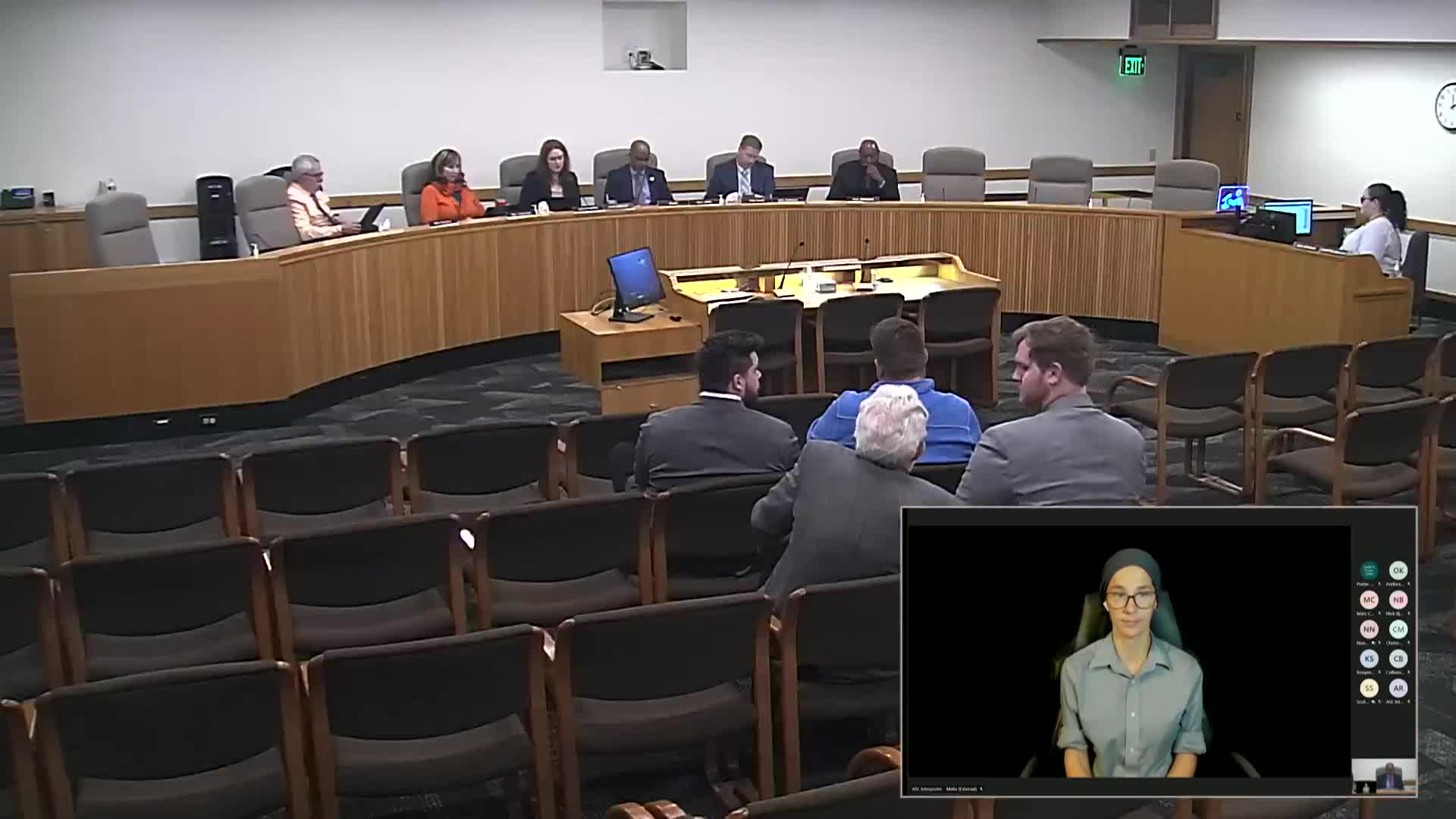
Senate Bill 437, a proposal to modernize Oregon's public-notice statutes by replacing the word “newspaper” with a broader term such as “news publication,” prompted a lengthy hearing on March 19 in the Senate committee on Holders that attracted multiple written and oral opponents and supporters.
Sponsor Senator **** Anderson said the bill is meant to “meet Oregonians where they are” by allowing digital publishers and broadcasters to publish public notices where they have demonstrable local reach. Anderson cited Pew Research Center data and argued that fewer people rely on print newspapers today: “Today, only 9% of Americans prefer print newspapers, while 48% turn to digital or other platforms,” Anderson said, and added communities without local daily papers are effectively disconnected under the existing statute.
Supporters told the committee the existing system can be costly and ineffective in areas that have lost local newspapers. Colleen Brady, regional manager for the Elkhorn Media Group, said in rural Eastern Oregon her group's monthly page views exceed 717,000 and argued local governments should be able to choose platforms that actually reach their residents. Colleen Brady and other supporters recommended allowing small special districts to post a public‑notice section on their own websites when no local publication exists.
David Summers, a founding publisher of Ashland News, said digital-native outlets have restored local coverage in communities that lost print papers and that municipalities are already using those outlets to reach residents. “Public notice laws in Oregon have really become a way to subsidize one particular type of local news source,” Summers said, arguing the proposal would align law with current audience behavior.
Opponents — including long-time newspaper publishers, a public-notice manager and other industry witnesses — raised three recurring concerns: archiving and permanence of notices; verification that a publisher is a durable and neutral outlet; and access for people without reliable internet. Mark Kaplan, public notice manager for CMG Oregon, warned that “notices appearing randomly on unregulated largely unsecured sites … will destroy and ultimately put an end to a critical legitimate service industry” and urged that notices continue to be published by “an independent neutral entity such as a qualified newspaper of general circulation as defined by the ORS.”
Several witnesses said the statute already provides an online‑only path when publishers meet specific requirements; opponents said many sites that seek to publish notices currently do not meet those guardrails. Chelsea Maher, owner and publisher of Columbia Gorge News, said affidavits and archival safeguards built into current practice ensure notices cannot be altered after publication.
Publishers emphasized the importance of permanent, searchable archives for legal and court-related work. Nicholas Bjork, who oversees publications that have published notices for decades, said his organization maintains secure physical archives dating back more than a century and cited an instance when a lawyer needed to find a 1984 bankruptcy notice that was not available online. Scott Swanson, a community publisher, said archivability is the central concern and said online publications must demonstrate long‑term preservation plans.
Several municipal and special‑district witnesses supported the measure as a practical matter. Andrea Kreiner of the Oregon Association of Conservation Districts asked that small local bodies be explicitly allowed to create a public‑notice section on their home page when no credible local publication exists. Mayor Christopher McMoran of Philomath said his city lost its local paper and now relies on local digital outlets to notify residents; he urged flexibility while saying he “loves newspapers” and would like to preserve them.
Committee staff and DAS clarified a statutory point during the hearing: one committee member asked whether the bill would remove the existing print‑newspaper requirement. A DAS staffer said their understanding was that the bill removes the statutory definition of “newspaper” and replaced it with a broader “news publication” definition, which the staffer said would effectively allow nonprint outlets; the staffer offered to confirm the point with legislative counsel.
Witnesses noted prior work on related legislation. Several speakers pointed to a 2023 House measure (H.B. 3431) and amendments that had sought to set standards for digital publications and archivability; proponents said similar guardrails could be reintroduced. Committee members did not take a vote on SB 437 during the March 19 hearing. The committee recorded numerous pro and con testimonies on the record, and the discussion highlighted a central trade-off: expanding reach and lowering costs for local governments versus preserving durable, verifiable archives and protecting the business models of local newspapers.