Get Full Government Meeting Transcripts, Videos, & Alerts Forever!
Get email alerts on the Rent‑algorithms‑sb722 topic
No spam. Unsubscribe anytime.
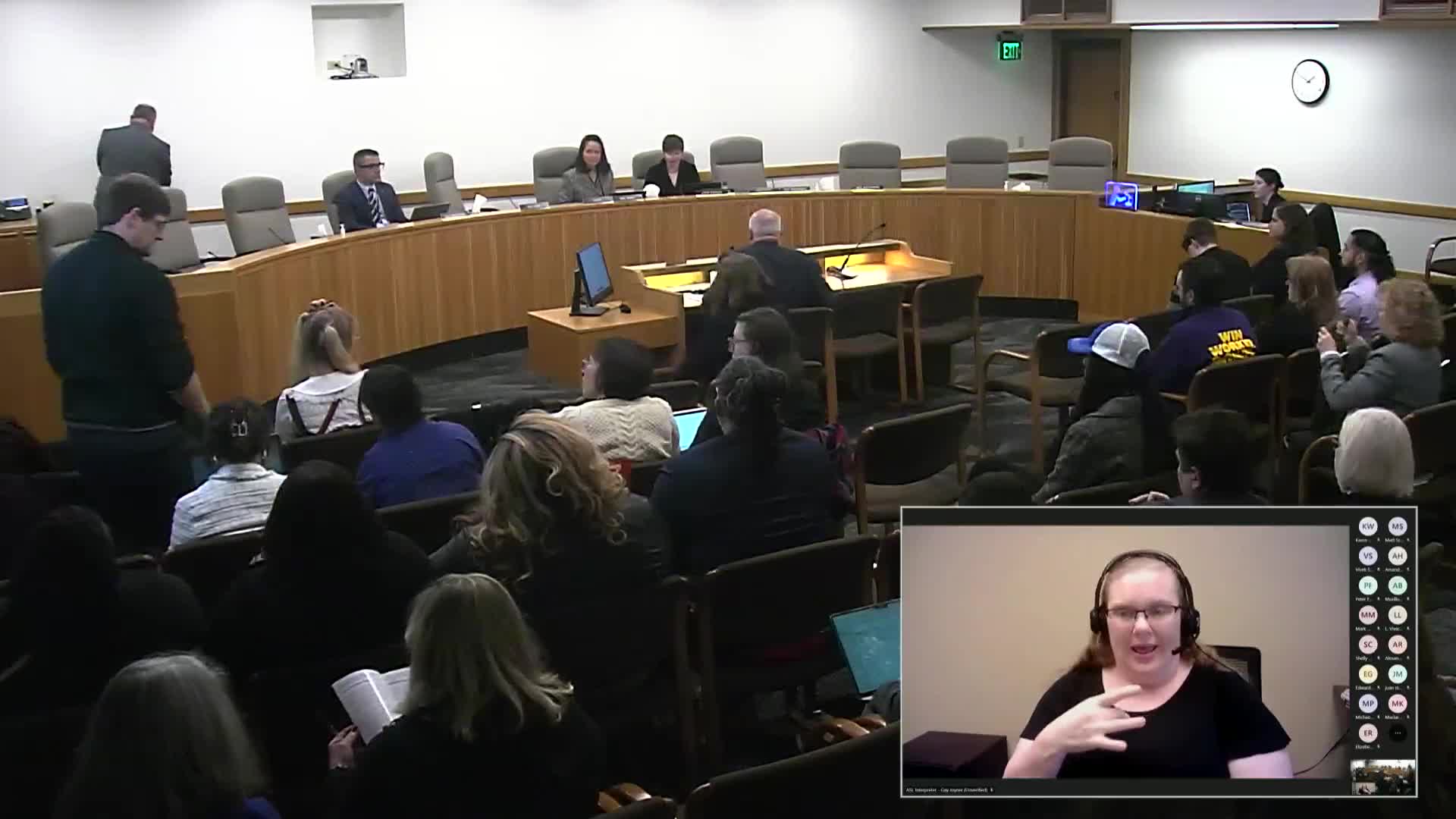
Panel debate on ban of algorithmic rent‑setting and shortening new‑construction exemption moves to another hearing (SB 722)
Summary
Senate Bill 722 — which would prohibit landlords from using algorithmic software that relies on non‑public competitor data and would shorten the exemption period for new construction from 15 years — drew extensive oral testimony for and against on March 19. The committee carried the hearing over for more testimony and technical amendments.
The Senate Committee on Housing and Development took testimony on March 19 on Senate Bill 722, a measure that would (1) prohibit landlords from using commercial algorithmic software that relies on non‑public competitor data to set rents or occupancy rates and (2) reduce the length of time new dwelling units are exempt from residential rent‑increase caps (the current statute provides a 15‑year exemption; the bill as introduced would reduce that to seven years, with a dash‑2 amendment under consideration to reduce the exemption to ten years or a dash‑1 to retain 15 years).
Supporters told the committee that algorithmic pricing tools can function like modern tools for price fixing and fast‑track coordinated rent increases. Portland City Councilor Angelita Murillo noted the federal Department of Justice investigation into RealPage and said algorithmic tools "drive every possible opportunity to increase the price," echoing civil‑suit allegations and the Oregon Department of Justice's pending litigation. Tenants' groups, legal services organizations and labor unions urged the committee to close the exemption loophole so that more units would be covered by rent stabilization and to ban the use of software that uses non‑public competitor data.
Opponents — including representatives of Multifamily Northwest and software provider RealPage — argued the bill would inhibit widely used market‑analysis tools that owners use to price units, increase operating costs, and potentially deter investment in new housing. RealPage representatives told the committee the company has not been the subject of an FBI raid and that the U.S. Department of Justice criminal investigation was closed; the company described its product as a market‑analysis and pricing suggestion tool that customers accept less than half the time. Housing providers said banning the software would force managers to rely on older, more labor‑intensive methods and could raise operating costs.
Academic testimony reviewed the evidence base: an academic witness summarized studies finding little to no negative effect of rent stabilization on new construction in multiple U.S. settings and cited a study estimating that algorithmic pricing increases rents at scale. Witnesses also differed on the exemption timeframe: some tenants and advocates urged 7 years to expand protections for roughly 40,000 units statewide; developers and housing‑finance representatives urged longer exemptions (10–15 years) to preserve financing predictability.
The Oregon Department of Justice told the committee it supports the bill's goals to end the use of algorithmic software relying on competitively sensitive data and that the department is engaged in ongoing civil litigation connected to these issues.
Given the volume and technical nature of testimony, the committee carried the SB 722 hearing to a future meeting (resumed session scheduled for March 26) and invited technical amendments and coordination between the Department of Justice and advocates on narrow drafting changes.
Ending: The committee closed testimony for the day and carried the hearing over to allow additional witnesses and to permit DOJ and other parties to refine technical language.