Get Full Government Meeting Transcripts, Videos, & Alerts Forever!
Get email alerts on the Sober Living Regulation topic
No spam. Unsubscribe anytime.
Subcommittee advances bill letting local governments set standards for sober-living homes after testimony from providers
Summary
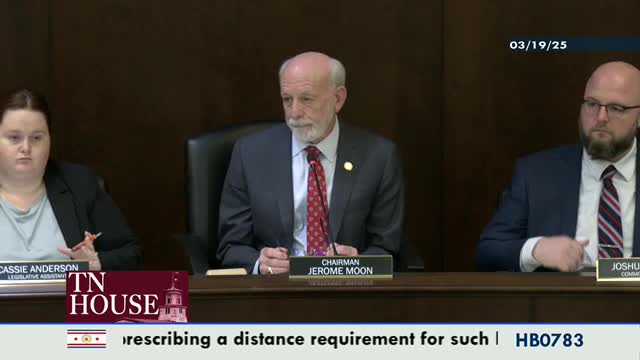
A bill that would allow local governments to require certification and local standards for sober-living homes passed the Cities & Counties subcommittee March 19, 2025, after testimony from operators and national providers who warned the measure could restrict access to recovery housing.
Representative Martin's House Bill 783, as amended, cleared the Cities & Counties subcommittee on March 19, 2025, by a 5-2 vote. The measure would allow — but not require — local governments to set certification requirements and operational rules for sober-living homes located near schools or daycares, and would require any local rule to comply with the federal Fair Housing Act and the Americans with Disabilities Act.
Why it matters: Advocates for recovery housing and local officials testified that the bill balances accountability and legal limits. Providers warned the committee that requirements such as mandatory clinical referrals or distance-from-school rules could reduce access to recovery housing for people with low incomes and no documented medical referral.
What the bill would do: The amended bill gives local governments permissive authority to adopt ordinances or resolutions setting minimum standards for sober-living homes, including certification with best-practice organizations, compliance with health and building codes, and requirements for referral by a licensed provider or a recovery court. The sponsor and committee emphasized that the bill is permissive and states that local adoption must comply with federal civil-rights laws.
Public testimony: Two witnesses representing recovery-housing operators urged caution. - Scarlett Bowman of Launchpad of Chattanooga described operating five houses serving roughly 50 women and said the distance-to-school and referral requirements could “criminalize recovery” and block low-income women without formal medical documentation from entering housing the Launchpad provides. - Sammie Hartley of Oxford House, Inc., representing a national peer-run recovery-residence model, opposed mandatory referral or medical-necessity requirements and said such requirements would “restrict people's ability to access care” and likely violate the Fair Housing Act. Hartley described Oxford House operations as self-supporting, member-run homes that require no clinical referral for admission.
Sponsor response and committee debate: Representative Martin said the bill is permissive, that houses tied to churches or schools would be grandfathered, and that section language requires local rules to comply with federal law. Committee members pressed on how certification, referral and enforcement would work in practice and how the bill would interact with the ADA and the Fair Housing Act. Legal staff told the committee the bill requires compliance with federal law; sponsors said they had consulted the attorney general’s office.
Outcome and next steps: The committee approved the amended bill on a 5-2 vote and moved it to the next available calendar for the state and local government committee. The transcript records a mix of support and opposition and shows the committee placed clear limits on local authority by referencing federal law compliance.
Provenance: The committee transcript records the sponsor’s explanation of the bill, public testimony from Launchpad and Oxford House, and the committee vote; quotations and summaries above are drawn from those recorded remarks.