Get Full Government Meeting Transcripts, Videos, & Alerts Forever!
Get email alerts on the Building Permits topic
No spam. Unsubscribe anytime.
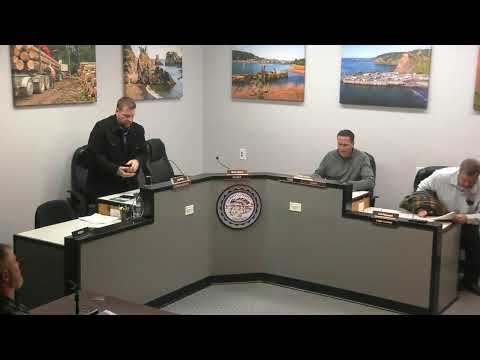
Curry County workshop proposes tougher penalties and modest fee increases for building permits
Summary
At a March 19 workshop, Curry County building department head Garrett proposed a 45-day notice filing and a new 50% retrospective-permit surcharge on the building-permit portion of fees to deter illegal construction; staff also outlined modest fee adjustments and housekeeping changes to the county building code.
At a March 19 workshop, Curry County Building Department Head Garrett proposed sending an updated fee schedule to the State Building Codes Division for the required 45-day public notice and recommend a new penalty for retroactive permitting of illegal construction: an additional charge equal to 50% of the building-permit portion of the fee.
Garrett said the 50% surcharge would apply only to the building permit portion of a fee (excluding the 12% state surcharge, plan review, and community development fees). "We're trying to make it not okay, to dissuade this from continuing to occur," Garrett said, describing cases where unpermitted work later comes to light when owners try to sell or expand a property.
County staff and panelists described a previous amnesty program that reduced fees for bringing illegal work into compliance; Garrett said that policy appeared to have encouraged more unpermitted construction. "We tried the other side. It didn't really work. Now let's try the punitive side to see if maybe that will help," he said.
Officials described the retrospective-permit review process the county would use if the policy is adopted: treat the submission as if it were a new build (complete plans, site plan and square footage), require letters from a licensed electrician and licensed plumber confirming visible systems, and obtain an engineer's letter where structural concerns exist. Garrett said inspectors will perform final inspections and note visible conditions; he said staff will document caveats where insulation or concealed work cannot be verified without openings.
The workshop also covered routine fee schedule housekeeping and modest fee increases. Garrett said the structural permit fee would rise about 16%, mechanical 16%, plumbing about 8% and manufactured dwelling fees about 8%. The county added an electrical program fee this year; because there is no local data to set that fee, staff used plumbing program numbers as a baseline and said the proposed electrical fee represents roughly a 226% increase relative to the state's current electrical fee level. Garrett said the increases reflect travel time, inspector workload and mileage and are intended to cover costs rather than generate profit.
Staff also corrected code language aligning the fee schedule with county code language and amended a provision for permit reinstatement: the code will reflect a 180-day reinstatement window rather than a previously stated 30 days. Garrett told the panel he maintains a spreadsheet documenting the calculations that produced the proposed rates and offered to share it with commissioners.
Panel members asked how the county would coordinate with the assessor's office once a permit is pulled; Garrett said that pulls notify the assessor, who will then inspect and reappraise as appropriate. He also noted the county's authority is limited to instances where a permit is sought or pulled; existing concealed, unpermitted work in occupied residences generally falls outside routine inspection authority unless the owner seeks a permit.
No formal vote was taken at the workshop. Garrett said he would submit the revised fee schedule and code amendments to the State Building Codes Division for the 45-day notice period, after which the changes would be scheduled for formal consideration and vote at a Curry County business meeting.
The matter affects property owners, contractors, subcontractors, homebuyers and real estate agents; county staff described the changes as aimed primarily at increasing safety and compliance rather than raising revenue.