Get Full Government Meeting Transcripts, Videos, & Alerts Forever!
Get email alerts on the Local Revenue topic
No spam. Unsubscribe anytime.
Beaumont to study potential loss from proposed ecommerce sales-tax changes; council backs consultant and letter to Cal Cities
Summary
Council endorsed a first-phase consultant engagement for revenue strategy planning after staff reported League of California Cities recommendations could shift e-commerce sales tax away from cities with fulfillment centers and cost Beaumont millions. Council also asked staff to draft a letter to Cal Cities and copy other "Amazon" cities.
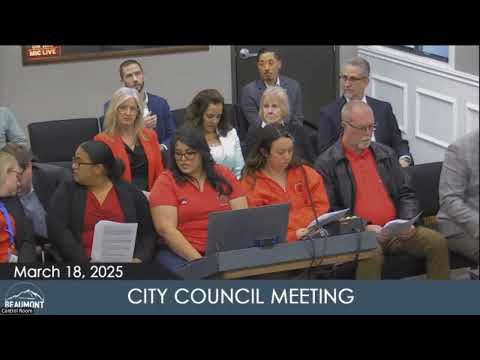
Beaumont city council on March 18 directed staff to begin a phased study and public outreach effort to assess the fiscal impact of proposed changes to how California allocates sales tax from e-commerce and to push back through a coordinated letter to Cal Cities and other affected cities.
Staff reported the League of California Cities— (Cal Cities) working group has proposed shifting portions of local sales tax collected at fulfillment centers toward the destination city where goods are delivered. Under the scenario presented, the proposal would split certain local sales-tax allocations 50/50 between fulfillment center and delivery city, and would cap future sales-tax sharing agreements at 50% and 20 years.
Finance director Jennifer Eustachian told the council a quick review of 2024 sales-tax receipts suggests Beaumont could face an illustrative annual decline of about $9.4 million if the working-group recommendations were adopted as described. Staff recommended engaging a consultant to produce a financial-impact assessment, craft public-education materials and, if necessary, support a revenue measure.
Council action and context: Council gave staff direction to start phase 1 of consultant work (financial research and options) with an estimated cost of $16,500 and to return with findings. Members also asked staff to draft a letter to Cal Cities expressing Beaumont—s concerns and to copy other cities that host large fulfillment centers (referred to in the meeting as "Amazon cities") to build a coalition. Council members said they want to explore a regional approach and legal options if needed.
Why it matters: Beaumont—s sales-tax allocation is heavily influenced by the presence of fulfillment centers in the region; changes to allocation rules could materially reduce general-fund revenue the city uses for services and capital. Staff emphasised that any permanent reallocation would likely require a constitutional amendment or legislative action and would be a lengthy process.
What council members said: Council member Mary White and Council member Julio Martinez were outspoken, saying the Cal Cities proposal appears to favor larger cities and would harm smaller or growing cities that invested in local infrastructure for logistics uses. Council member Martinez urged coalition-building and legal review; White asked for a stronger and more vocal Cal Cities response from member cities.
Next steps: Staff will begin phase 1 (financial study) and return to council with results and recommendations. Staff was also directed to prepare a draft letter to Cal Cities and to identify peer cities with fulfillment centers for outreach and potential coordinated response.