Get Full Government Meeting Transcripts, Videos, & Alerts Forever!
Get email alerts on the Insurance Regulation topic
No spam. Unsubscribe anytime.
Committee hears bills to clarify supplemental insurance is not a ‘health benefit plan’ under state code
Summary
The Michigan House Insurance Committee on March 5 heard testimony on House Bills 4207 and 4208, which would amend the state insurance code to specify that the definitions of “health benefit plan” and “health insurance policy” do not include coverage that consists only of federally recognized HIPAA “accepted benefits.”
The Michigan House Insurance Committee on March 5 heard testimony on House Bills 4207 and 4208, which would amend the state insurance code to specify that the definitions of “health benefit plan” and “health insurance policy” do not include coverage that consists only of federally recognized HIPAA “accepted benefits.”
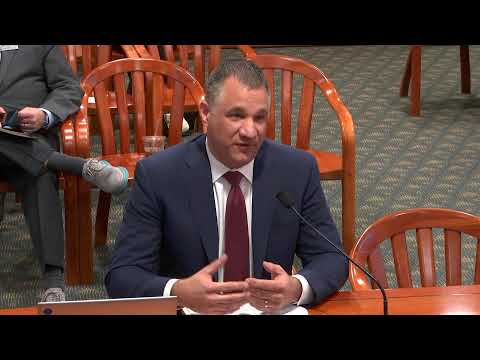
Supporters told the committee the change is technical but removes ambiguity about how supplemental insurers are regulated. “Supplemental insurance is different from major medical,” Carla Bell, Director of Public Policy for Aflac, said. She described supplemental policies as covering gaps left by major medical and said federal law has long distinguished those products as HIPAA accepted benefits.
The bills would add the federal HIPAA citation into the Michigan code and amend sections 608 and 3701 of the insurance code, sponsors said. Vice Chair Carter and Chair Harris presented the bills and said the aim is to align state code with federal law so supplemental insurers are not unintentionally regulated as major medical carriers.
Bell told the panel Aflac’s products — accident-only, cancer, disability and other specified-disease policies — pay cash benefits directly to policyholders and are designed for unexpected out-of-pocket expenses. She described the proposal as a “technical change” that would “remove any ambiguity” in state statute.
Committee staff read supporter cards into the record from the American Council of Life Insurers and from Aflac. No vote was taken during the session; the bills were presented and testimony recorded for committee consideration.
The committee did not take formal action at the hearing. Committee members did not propose amendments during the public testimony period recorded in the transcript.
The bills were placed on the committee record for further consideration; supporters said they previously received strong bipartisan support in the House in the prior session.