Get Full Government Meeting Transcripts, Videos, & Alerts Forever!
Get email alerts on the Workforce And Responders topic
No spam. Unsubscribe anytime.
Public Health, Firefighters and Unions Describe Workforce Strain and Health Risks From Wildfires
Summary
LA County Public Health staff, union members and Pasadena firefighters described deployments to shelters and disaster sites, mass staff displacement, PPE and long-term occupational-health risks including elevated cancer and behavioral-health needs among first responders.
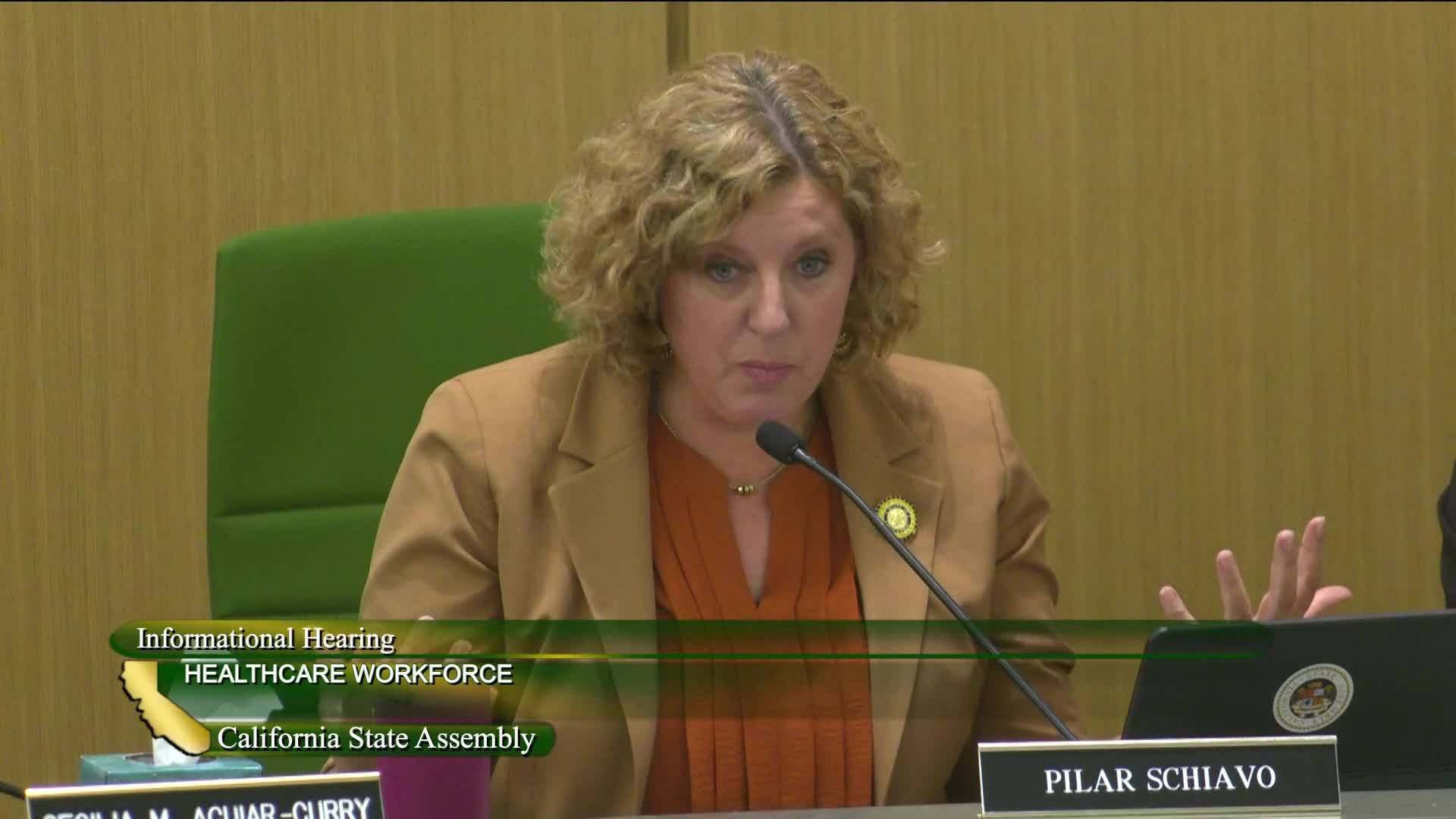
Public-health staff, union representatives and firefighters told the Assembly Health Committee that the January wildfires strained workforce capacity across agencies and exposed first responders and public-health personnel to acute hazards that may carry long-term health consequences.
Cynthia White, a data conversion equipment operator with the Los Angeles County Department of Public Health and SEIU Local 721 member, said she and colleagues were deployed to resource centers and shelters and that "when disaster strikes, all public health workers become disaster workers." White described distribution of medications, mental-health services and PPE at a county-run resource site and said many public-health employees themselves were displaced by the fires.
Firefighter occupational risks and manpower challenges Rafi Bichakchian, president of Pasadena Firefighters Local 809 and a fire engineer, described front-line firefighting conditions during the Eaton fire, noting high winds and rapid spread. He highlighted limits of respiratory protection in wildland and structure-interface fires and said self-contained breathing apparatus provide only about 30 minutes of air, making sustained use impractical for many wildland operations. He also cited cancer risk in the profession: "The International Agency for Research in Cancer classifies firefighting as a group 1 carcinogen," and he urged continued funding for firefighter cancer research and prevention (AB700) and expanded behavioral-health services.
LA County public-health response and workforce needs Dr. Anish Mahajan, chief deputy director for LA County Public Health, summarized operational steps including health-officer orders that temporarily banned leaf-blower use in fire zones and prohibited debris removal before hazardous-materials inspection; the county distributed Tyvek suits, goggles, masks and nearly 4,000 air purifiers at checkpoints and resource centers. He said the county has convened recovery task forces and a health-and-social-services recovery group that will coordinate environmental testing, mental-health services and other recovery functions.
Ending: Witnesses said immediate deployments by public-health staff and firefighters were effective but exposed staffing shortfalls and created new long-term responsibilities: protecting responder health, addressing behavioral-health needs, and funding research and monitoring of occupational exposures.