Get Full Government Meeting Transcripts, Videos, & Alerts Forever!
Get email alerts on the Medical Cannabis topic
No spam. Unsubscribe anytime.
Committee debates expanding medical‑cannabis rules, including higher potency and inhalable options; action deferred
Summary
Senators, former lawmakers, patients and industry representatives debated a bill to rename the state program and expand authorized products, including raising THC caps and allowing inhalable delivery; the committee recessed and deferred action for further work.
The Regulated Industries Committee heard extended testimony and debate on Senate Bill 220, a multi‑part rewrite of the state’s low‑THC medical program that would retitle the program “medical cannabis,” raise potency caps for allowable products and broaden eligible conditions and delivery methods.
Key proposed changes in the bill presented to the committee include:
- Changing the program name from "low THC oil" to "medical cannabis." - Raising a potency cap for permitted oil products from 5% to 50% THC for certain delivery systems, citing other medical-only states that set caps at 50–70%. - Changing possession limits from “20 fluid ounces” to 2 ounces (regular ounces) for patients. - Allowing an inhalable/vaped delivery option intended to provide faster onset for patients with urgent symptoms (for example, seizure disorders), while retaining prohibitions on smoking and excluding flower products. - Broadening some qualifying conditions (for example, Crohn’s disease renamed inflammatory bowel disease and adding lupus) and removing “severe or end‑stage” language in many conditions in favor of a physician‑judgment standard that the patient’s symptoms would reasonably be relieved and benefits outweigh risks.
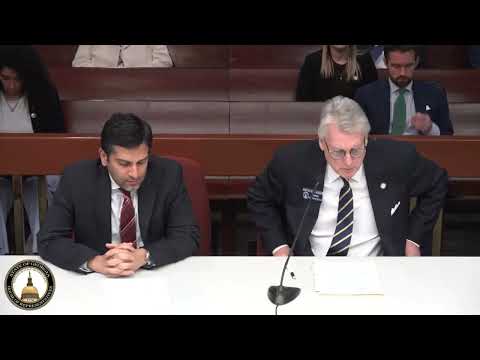
Testimony included patient advocates and former Representative Micah Gravely, who described personal and clinical anecdotes in favor of broader access and inhalable delivery, and Edward Lindsey, who summarized changes in terminology and possession and caregiver provisions. Supporters argued the 5% cap is too low for some patients and that inhalables provide medically necessary rapid relief. Several senators and members voiced caution, raising public‑health questions about higher THC levels, youth exposure and parallels with past overprescribing of other drugs. Committee members also asked practical questions about dosing, possession limits, how dispensaries track patient purchases, and whether the change would increase participation by providers.
The committee recessed and did not take a final vote; members agreed to reconvene to continue consideration and to solicit additional information from the commission and agencies after further drafting.