Get Full Government Meeting Transcripts, Videos, & Alerts Forever!
Get email alerts on the Immunity Appeals topic
No spam. Unsubscribe anytime.
Committee approves amended bill allowing quicker appeals of immunity rulings by local governments
Summary
Senate Bill 298 was amended to create a short-window, directly appealable route for jurisdictions denied immunity in civil actions; amendments clarified scope and types of immunity covered.
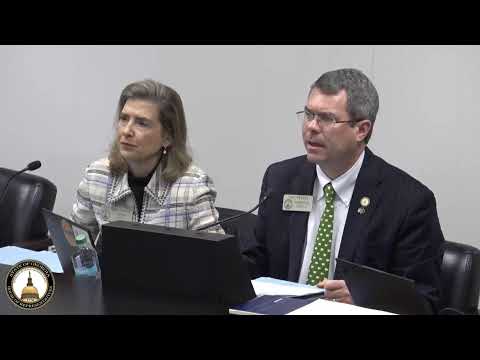
The House Judiciary Committee voted to pass Senate Bill 298 as amended, a bill that creates a limited right of direct appeal when a trial court denies immunity in civil suits against local governments or their employees.
Senate Majority Whip Randy Robertson described the bill as providing “a little balance” when immunity claims are decided at the trial level. Robertson said the measure would allow affected jurisdictions and officials a “single bite at the apple” by permitting a short, direct appeal of an immunity denial rather than requiring the party to wait until case conclusion to appeal.
Robertson read the committee language (LC 49 23 25 S SCS) and said he had worked with local-government groups and defense lawyers to refine the proposal. Witnesses from the Association County Commissioners of Georgia (ACCG) and the Georgia Municipal Association (GMA) told the committee they supported the bill and the friendly amendments offered by the Georgia Trial Lawyers Association and others.
Committee counsel described two amendments adopted in committee. The first amendment limits the bill to civil actions and clarifies that the direct-appeal process applies both to denials and grants of immunity. The second amendment enumerates the kinds of immunity covered, including sovereign (entity) immunity and personal immunities such as municipal-official, qualified, legislative and judicial immunities, and clarifies that the protections apply when an employee is sued in an individual capacity.
Members asked how frequently immunity denials occur and whether the proposed remedy was necessary; Robertson and witnesses said they could not provide exact counts but described repeated litigation in consolidated governments and said the proposed change would reduce taxpayer costs associated with preparing full trials when immunity was later upheld on appeal. ACCG's Vivian Arnstus and GMA's Ryan Bowersox stated organizational support for the bill and the amendments.
The committee adopted both amendments and then voted the bill out of committee as amended by voice vote. The clerk recorded the vote by voice: “All in favor of the bill as amended, say aye,” followed by “All opposed? Alright. The bill passes as amended.” No roll-call tally was recorded in the transcript.
The bill will proceed to further House consideration with the committee's amendments attached.