Get Full Government Meeting Transcripts, Videos, & Alerts Forever!
Get email alerts on the Healthcare Workforce topic
No spam. Unsubscribe anytime.
Committee advances bill to widen residency eligibility, loan forgiveness for Georgia health workforce
Summary
The House Health Committee voted to pass LC520632, a measure to expand which institutions qualify for residency and fellowship programs and to allow final-year residents and fellows to qualify for a state loan service cancellation program aimed at boosting the number of health care providers in Georgia.
The House Health Committee voted to pass LC520632, legislation that would expand eligibility for residency and fellowship programs and make final-year residents and fellows eligible for the Georgia Board of Health Care Workforce Service Cancelable Loan Program.
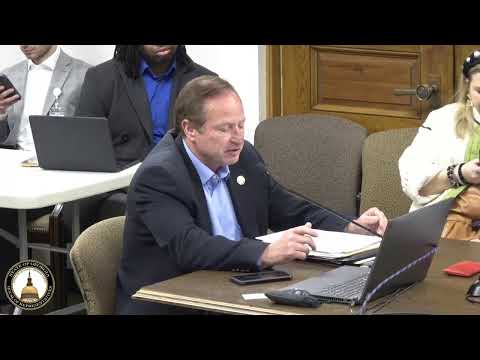
The bill’s sponsor, Senator Sentra Hodges, told committee members the measure would increase the state’s health care workforce both by making more institutions — including stand‑alone clinics and federally qualified health centers — eligible to host residencies and fellowships and by allowing final‑year trainees to participate in an existing loan service‑cancelation program.
“Basically, what this bill was, was, an effort to increase the number of health care providers in Georgia,” Hodges said during the committee hearing. Chip Bassin, introduced by Hodges as the executive director of the Georgia Board of Health Care Workforce, was present to answer technical questions.
Committee chairmen called for a voice vote; members approved the bill in committee. The committee record shows the bill was passed and that Representative Rick Townsend will carry it in the House.
The measure is agency legislation for the Georgia Board of Health Care Workforce and, if enacted, would change which training sites qualify for state-supported residency and fellowship placements and expand eligibility for an existing loan‑service cancellation program for final‑year trainees.