Get Full Government Meeting Transcripts, Videos, & Alerts Forever!
Get email alerts on the Alcohol Regulation topic
No spam. Unsubscribe anytime.
Cherokee County amends alcohol ordinances to add caterers, breweries and updated retail definitions
Summary
The Cherokee County Board of Commissioners unanimously adopted amendments to Chapters 4, 6 and 7 of the county code to align local alcohol rules with state law, add new retail definitions and permit limited on‑premise consumption at breweries.
The Cherokee County Board of Commissioners on March 18 unanimously adopted amendments to Chapters 4, 6 and 7 of the county code that add new definitions for alcohol-related business types, create a local “alcohol beverage caterer” permit and revise brewery provisions to allow limited on-premise consumption consistent with state law.
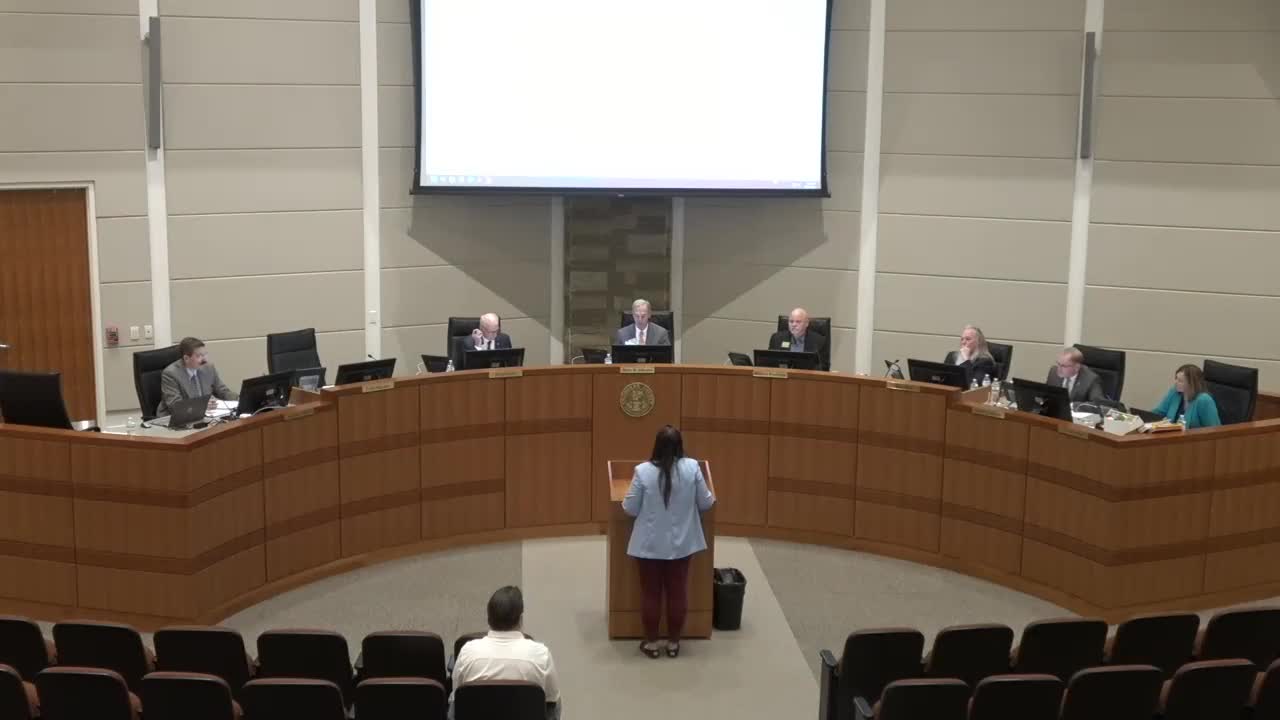
County staff presented the draft amendments during a public hearing and explained the changes are intended to make definitions consistent across the zoning and alcohol ordinances and to reflect existing state statutes. The board opened and closed the public hearing and then voted to adopt the ordinance changes; the motion to adopt was made by Commissioner Carter and seconded by Commissioner West and carried unanimously.
The adopted changes add a definition for “alcohol beverage caterer,” allowing licensed retail dealers or restaurants to obtain an add‑on license permitting them to transport and sell alcohol off premises at authorized events. Staff said the local provision mirrors state requirements that caterers notify the Georgia Department of Revenue before each event, ensure servers are at least 21 years old and possess required training or permits, and limit sales to the types of alcoholic beverages the business is authorized to sell.
The amendments also add or standardize local definitions for convenience stores (defined by the county as retail establishments under 10,000 square feet where alcohol sales do not exceed 15% of gross floor area), general merchandise or variety stores, non‑farm wineries and manufacturers/wholesalers to match state statutory terms. County staff said the grocery/ convenience thresholds were chosen to align with census and state usage.
On breweries, the ordinance now incorporates state limits for small manufacturers: sales for off‑premises consumption are capped at 288 ounces per individual per day (about a case of 12‑ounce cans), and aggregate brewery production subject to direct-to-consumer sales is capped at 6,000 barrels per calendar year. For on‑premise consumption, the county adopted the language that brewers may sell only the malt beverages they manufacture on the licensed premises and only while customers are physically present at the licensed premises. "The 40% (farm winery) comes from the state law," staff said while explaining the difference between farm and non‑farm winery definitions.
Commissioners and staff discussed wording edits during the meeting (staff noted a stray word to be removed) and confirmed the county would adopt the state definitions where applicable. No members of the public signed up to speak for or against the ordinance changes.
The ordinance amendments become effective as recorded in the county code following the county’s publication procedures.
Votes and formal actions on this item are recorded below.