Get Full Government Meeting Transcripts, Videos, & Alerts Forever!
Get email alerts on the Education Policy Acceleration Retention topic
No spam. Unsubscribe anytime.
School board holds first reading of Policy 500 on acceleration and retention; no changes recommended
Summary
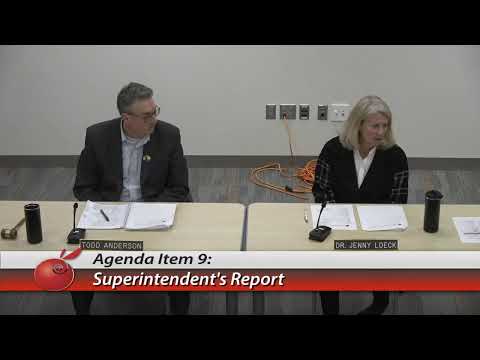
The Roseville Area Schools board on Tuesday held a first reading of Policy 500, the district's policy on student acceleration and retention, and heard staff describe how the district applies the policy and the evidence it shares with families.
The Roseville Area Schools board on Tuesday held a first reading of Policy 500, the district's policy on student acceleration and retention, and heard staff describe how the district applies the policy and the evidence it shares with families.
Jake Vondel, who presented the item as part of the board's policy review, said the district was not proposing any changes to Policy 500 at this time and invited board input. "We actually do not have any recommended changes," Vondel said. He and other staff described how acceleration is applied differently depending on subject and grade level and said retention requests are rare.
District staff told the board that subject acceleration (for example, allowing a student to take a higher-grade math class) occurs more often than whole-grade acceleration. "Whole grade acceleration is less common. Some subject acceleration, especially in math, is more common," staff said. They added that retention has been used very infrequently during the presenter's tenure.
Associate administrators who spoke described a multi-step review process when retention is requested. The process starts at the school level, includes testing and a robust evaluation, and involves a meeting with the family where staff share research, including a University of Minnesota brief that cautions about negative effects of retention. One staff member summarized that retention requests "take place at the school level before we meet with the family and it's a very robust evaluation looking at testing." Board members were told the district sometimes drafts a joint letter signed by district staff and the family when retention is approved to ensure the decision is made with full information.
Board members asked procedural questions about how acceleration is implemented in practice. Staff explained that a second-grader who accelerates in math would take math with a third-grade class while keeping other subjects with their age peers; whole-grade acceleration would move a student into all classes at the higher grade level.
The item will return for further board consideration; no vote was taken on Policy 500 at the meeting.
Provenance: Staff presented the first reading under the meeting agenda item "Policy 500 acceleration and retention." The discussion began when the presenter introduced the policy and lasted through questions about early entrance to kindergarten and the district's retention procedure.