Get Full Government Meeting Transcripts, Videos, & Alerts Forever!
Get email alerts on the School Safety topic
No spam. Unsubscribe anytime.
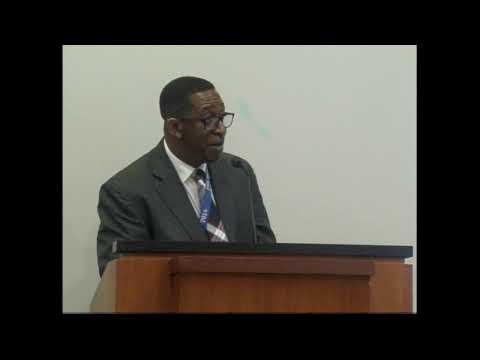
Student urges Jackson Public Schools to add CPR and active‑shooter training for student crisis‑response teams
Summary
A student board representative proposed a plan to train selected students in CPR and active‑shooter response, recommending changes to district policies to formally include trained students on school crisis teams. Board members praised the specificity and raised questions about selection, parental consent and legal/insurance issues.
Miss Leticia Marshall‑Thomas, the student board representative, proposed that Jackson Public Schools (JPS) add trained students to school crisis response teams and revise district policy to include student participation in CPR and after‑shooter training.
Marshall‑Thomas said the program — presented as “JPS CPR, Scribe, Prepared, and Ready” — would build “three essential pillars” of identification, preparation and readiness, and proposed specific policy language changes to existing JPS policy requiring drills and first‑aid training. “Students are at the heart of our schools, and their firsthand perspectives, insights, and leadership can be instrumental in responding to crisis,” she told the board.
The proposal recommends integrating CPR training into health or physical‑education classes, offering it as an extracurricular option and holding school‑wide demonstration events. Marshall‑Thomas suggested starting training as early as fourth grade (noting children “as young as 9 year old can learn CPR”), using volunteer sign‑ups at the high‑school level and selecting small, visible teams in elementary grades so student responders can move through buildings if needed.
Why it matters: proponents said student certification could provide immediate life‑saving aid during medical emergencies and add a layer of preparedness during violent incidents. Marshall‑Thomas cited examples and local testimony — including a coach who described real incidents during athletic events — to argue wider training would benefit both schools and the community.
Details of the proposal and debate
Marshall‑Thomas identified three specific JPS policy sections she recommended revising: an existing scholar‑safety provision (referenced in her remarks as JKAD), the district’s cardiac emergency response policy (identified in her presentation as EBBAG), and the emergency drills policy (EBAB). She urged language changes so that principals would ensure both staff and identified student emergency response team members receive CPR, first‑aid and after‑shooter training, and participate in drills annually.
She described multiple delivery options: embedding CPR into health or physical education classes; offering after‑school or summer training; and recruiting certified instructors from local emergency services or community organizations. Marshall‑Thomas also said a partnership is available with the Jackson Federation of Teachers to provide free CPR and active‑shooter training.
Board reaction and questions
Board members praised the quality of the presentation and the specifics of the proposed policy language. Dr. Joseph Green, superintendent, commended the student for supplying both suggested policy language and operational ideas, saying it showed “a lot of thought” about how to implement changes at elementary, middle and high‑school levels.
Board member Mr. McGuffey pressed on two points the presentation raised: whether students would want the added responsibility and whether students should be asked to intervene during active‑shooter incidents. McGuffey said active‑shooter response felt “different” from CPR and described concern about expecting students to intervene in violent incidents. Marshall‑Thomas replied that selection would be voluntary and that training would aim to enable students to assist safely without taking on adult responsibilities; she also said training could reduce panic and enable peers to provide immediate aid until adults or emergency services arrive.
Dr. Green and other trustees flagged additional issues that would need review before any policy change, including parental consent, liability/insurance implications and legal limits on student roles. “That’s the only other thing outside of what others have mentioned outside of legality and insurance and other things that we'd obviously have to look into,” Dr. Green said.
No formal board vote or binding action on the proposal is recorded in the meeting transcript. Board members thanked Marshall‑Thomas for the presentation and indicated administrators and the policy committee would need to examine legal, liability and operational implications before any formal adoption.
Ending
The board did not take a recorded vote on the student‑team proposal during the meeting. Trustees asked administrative staff to review feasibility, legal and parental‑consent issues and to report back; a timeline for that review was not specified in the transcript.