Oxnard council accepts audited financial report; narrowly approves warrant‑register option after debate on payroll transparency
Loading...
Summary
The Oxnard City Council on March 18 ratified the FY 2023–24 Annual Comprehensive Financial Report after the city's external auditors issued an unmodified opinion, and thereafter approved, by a 6‑1 vote, the staff recommendation to present payroll warrants as part of the audited ACFR rather than through separate monthly ratification.
The Oxnard City Council on March 18 ratified the City of Oxnard’s Fiscal Year (FY) 2023–24 Annual Comprehensive Financial Report (ACFR) following an auditor presentation that issued a clean opinion. The council later voted separately, 6‑1, to accept a staff recommendation that payroll warrants be considered as part of the audited ACFR rather than be ratified monthly before the council.
Auditor Brandon Farrell of E.D. & Payne told the council that the firm issued an unmodified (clean) audit opinion for FY 2023–24 and described the audit as risk‑based. “It is our opinion … that the financial statements are presented fairly in accordance with U.S. GAAP,” Farrell said during a live presentation to council. Farrell summarized key matters for the record, including two non‑material audit adjustments and continuing implementation of internal control improvements.
Council discussion moved from auditor highlights to a separate procedural question about how payroll warrants and budgeted payrolls are presented to the legislative body. City Chief Assistant Attorney Ken Rosell and other staff explained a complex litigation and legal‑interpretation history affecting who prepares monthly financial reports: competing court rulings in recent cases had produced conflicting language about whether the city treasurer or the finance office is required to submit monthly reports. Rosell summarized the situation and described staff steps to comply with court decisions and provide information to council.
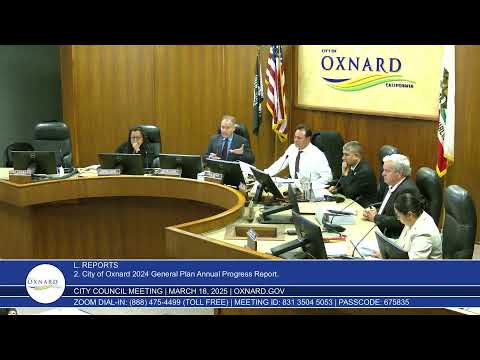
Councilmember Aaron Starr pressed for greater routine visibility of payroll warrants, saying that historically the City Council had approved warrants at each meeting and that reviewing payroll warrants regularly increases transparency for residents. Starr moved to treat the warrant register separately; he said he planned to vote against the staff recommendation to accept warrants in ACFR form. Other council members defended staff advice and said the city already posts accounts‑payable data online and that the staff recommendation reflected an option in state law. After debate the council first ratified and approved the ACFR by a 7‑0 vote, then approved the warrants/register action (the staff‑recommended path) on a 6‑1 vote with Starr recorded as the sole no vote.
Why it matters: the ACFR provides audited financial statements and an internal control update to the public and demonstrates that the city met accounting standards for FY 2023–24. The separate warrant‑register vote reflects an active governance choice about the timing and format for public review of payroll warrants and how the council exercises oversight over city disbursements.
Votes at a glance: the ACFR ratification motion carried 7‑0; the separate motion to accept the warrants register in ACFR form carried 6‑1 (Starr recorded as no).
Next steps: staff and the auditor said the single audit and internal control report are being finalized and will be released as part of the remaining audit deliverables. Councilmembers interested in more granular warrant or payroll data were advised by staff that staff would work to provide access and answers to specific questions.