Get Full Government Meeting Transcripts, Videos, & Alerts Forever!
Get email alerts on the Parks topic
No spam. Unsubscribe anytime.
Saratoga Springs raises park impact fee after staff cites 40% increase in regional park acreage
Summary
Council held a public hearing and approved an updated Parks, Recreation, Trails and Open Space Impact Fee Facilities Plan and Analysis that raises the single-residence impact fee substantially to maintain an increased level of service and cover higher construction costs.
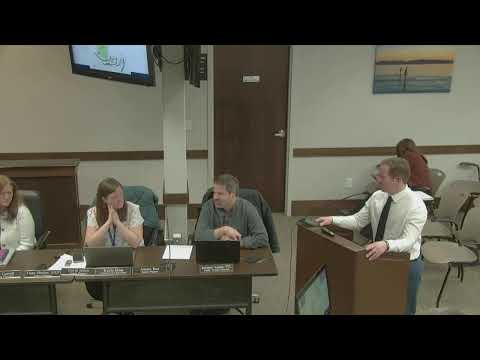
Saratoga Springs city staff on March 18 presented and the City Council approved an updated Parks, Recreation, Trails and Open Space Impact Fee Facilities Plan and related analysis that raises the per-unit park impact fee substantially to preserve a higher city standard for regional parks.
The staff presentation said the city’s regional-park acreage per 1,000 residents has grown from 2.29 acres to 3.22 acres — an increase of about 40% — largely because of recent dedications and land secured through development agreements, including land in the Mount Saratoga and North Marina projects. The increase in level of service and a sharp rise in construction costs were cited as the principal reasons the impact fee per residence increases from roughly $27.45 to approximately $5,600 in the new analysis.
Planning and parks staff told council that the analysis looks forward at a 10-year planning horizon and that previously the city had calculated it needed roughly 60 additional acres; the updated analysis estimates the city will need about 162 acres to sustain the higher level of service. Staff also noted that the city does not include small “pocket parks” in its regional‑park acreage calculations, because those are typically provided by homeowner associations.
Council members asked whether the new analysis treats an upcoming municipal cemetery as park acreage; staff said the cemetery is not currently counted among the regional park acres because it is not yet improved and that the council could revisit that point in the next update. Staff also explained that developer-funded park construction has been accounted for as impact-fee credits in existing agreements.
After the public hearing (no public speakers were present for this item), Councilman Wheldon moved to approve the parks impact fee item as noticed; the motion passed unanimously. Staff said the updated fee schedule and facility list will be used for future impact-fee calculations and to require new development to match the city’s higher level of service rather than reduce it as the city grows.
City officials framed the change as a reflection of past policy choices to invest in larger regional parks and to preserve a level of service residents expect; staff said they will present further updates at future meetings as developments and cost estimates evolve.