Get Full Government Meeting Transcripts, Videos, & Alerts Forever!
Get email alerts on the Childcare Benefits Pilot topic
No spam. Unsubscribe anytime.
Operations committee defers consideration of child care reimbursement pilot for four weeks
Summary
DeKalb County's Operations Committee discussed a proposed pilot to reimburse commissioners and staff for child care costs up to $1,000 per child per month and voted to defer the item for four weeks so staff can provide a cost breakdown, hours coverage options and an inclusivity plan.
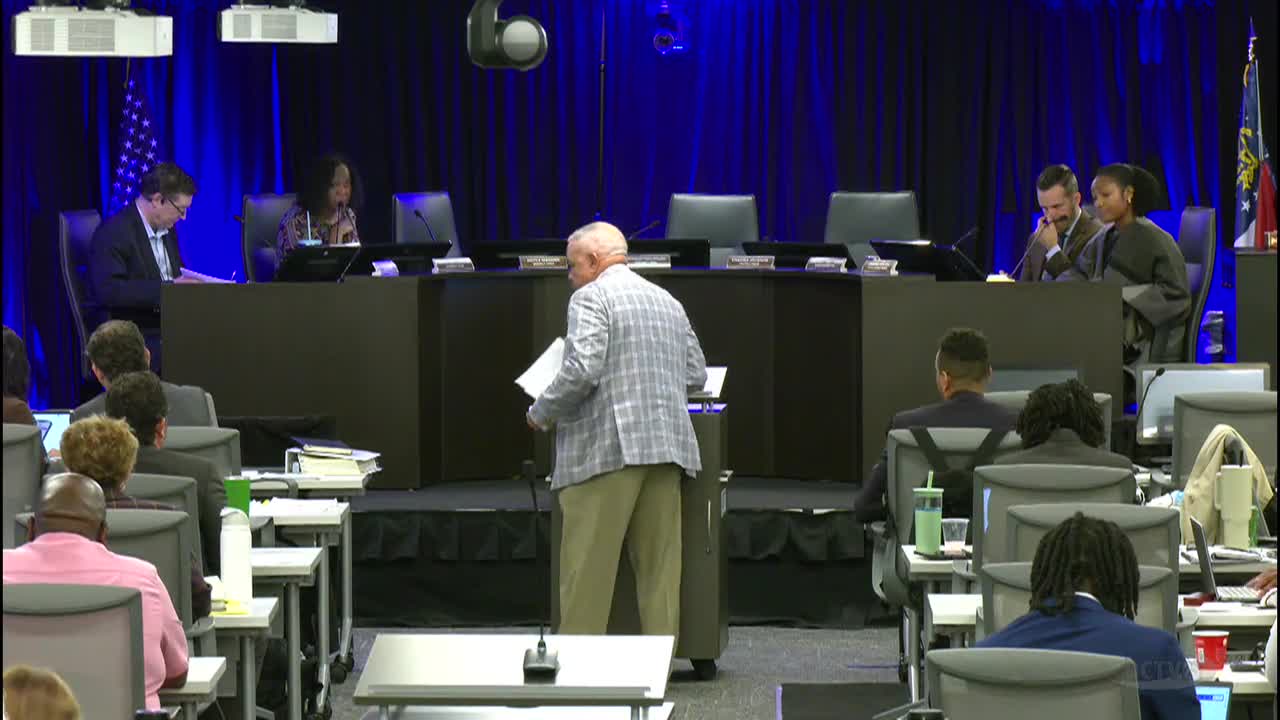
The DeKalb County Operations Committee on Tuesday discussed a proposed child care reimbursement pilot that would reimburse commissioners and county staff for part of child care costs and deferred the item for four weeks.
The pilot, developed at the request of Commissioner Terry and presented by county staff member Mason, would initially be limited to Board of Commissioners central staff and commissioners. The draft policy proposes a reimbursable limit up to $1,000 per child per month and would run from the date of passage to the end of the year, with an audit of expenditures at the pilot’s close.
Committee members said the program is intended to help recruitment and retention and to subsidize part—not the entirety—of monthly child care bills. Commissioner Terry and other members argued the county should test a limited pilot to measure effects on retention, productivity and recruitment. Mason told the committee staff surveys identified 19 children of commission staff as an initial reference point.
Committee members pressed staff for clarification on coverage hours and scope. Several commissioners asked whether reimbursement would cover standard daytime care (9 a.m.–5 p.m.) or also evening and weekend care tied to commission business. Commissioners also raised concerns that a benefit initially limited to the Board of Commissioners’ staff could be perceived as favoring elected officials; multiple members urged expanding the pilot to include public-safety and sanitation personnel or countywide staff if feasible.
Committee members requested a detailed presentation including: a breakdown of projected costs, interaction with existing benefits (such as health savings plans), the proposed hours of coverage, the pilot’s target population (commissioners and which staff), and an audit plan for the pilot period. The committee voted to defer consideration for four weeks to allow staff to prepare that additional information.
Next steps: Staff will return with a presentation and a cost and implementation plan at the committee meeting in four weeks.