Get Full Government Meeting Transcripts, Videos, & Alerts Forever!
Get email alerts on the Environmental Regulation Appliances topic
No spam. Unsubscribe anytime.
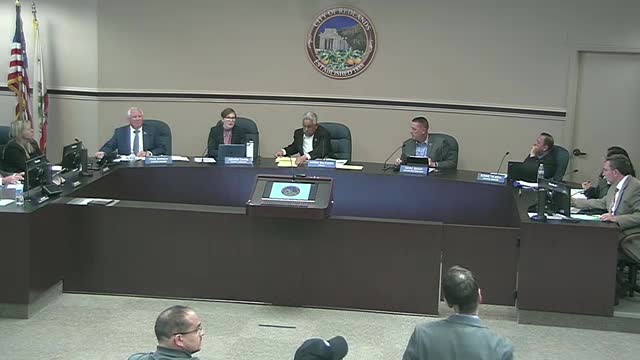
Redlands council tables action on South Coast AQMD appliance rules after new proposal details emerge
Summary
Council members asked staff to seek more information and return with a revised recommendation instead of sending a formal opposition letter after the air district revised its approach to regulate manufacturers rather than ban gas appliances outright.
The Redlands City Council on March 18 tabled consideration of a resolution opposing the South Coast Air Quality Management District’s proposed amendments to Rules 1111 and 1121, which address nitrogen‑oxide (NOx) emissions from natural‑gas‑fired furnaces and residential water heaters.
City staff presented background and a draft opposition letter. South Coast AQMD staff also attended and described a revised rule approach: rather than directly banning gas appliances at the point of sale, the district said it now proposes manufacturer‑level target goals on a multi‑year glide path and accompanying incentive programs such as the district’s Go‑0 rebate pilot. AQMD staff told the council that the revised framework restores consumer choice, focuses compliance paths on manufacturers, and includes mitigation fees and incentives to address affordability.
After public comment from residents and environmental advocates both opposing and supporting AQMD’s proposal, councilmembers said they wanted additional information before sending a citywide letter. Councilmembers raised concerns about cost impacts will ultimately pass to consumers, grid reliability, and the rule’s timing — while other speakers highlighted health risks from NOx and available rebate programs. The council voted to table the item and asked the mayor and staff to return with refined recommendations; the motion to table passed 4–1 (Council Member Davis voted no).
Council discussion noted the draft letter was out of date given AQMD’s revised regulatory approach and urged staff coordination with AQMD for additional technical details and timing. AQMD staff pointed to a public committee meeting scheduled later in the week and encouraged councilmembers and staff to attend for more detail.
The record shows broad public engagement on the topic: speakers included AQMD staff, Sierra Club and environmental justice advocates, and residents raising concerns about costs and grid reliability. Councilmember Davis said he opposed the motion to table because he did not want the council to send an official letter; other councilmembers supported tabling to allow staff and council to craft a letter that reflects the rule’s new manufacturer‑target approach.