Get Full Government Meeting Transcripts, Videos, & Alerts Forever!
Get email alerts on the Judiciary Funding topic
No spam. Unsubscribe anytime.
Chief Justice urges stable funding, cites cuts, vacancies and remote-hearing extension
Summary
Chief Justice Patricia Guerrero told a joint session of the California legislature that recent cuts forced courthouse closures and service reductions, but partial restorations and a new remote-hearings authorization through Jan. 1, 2027, provide relief while uncertainty remains.
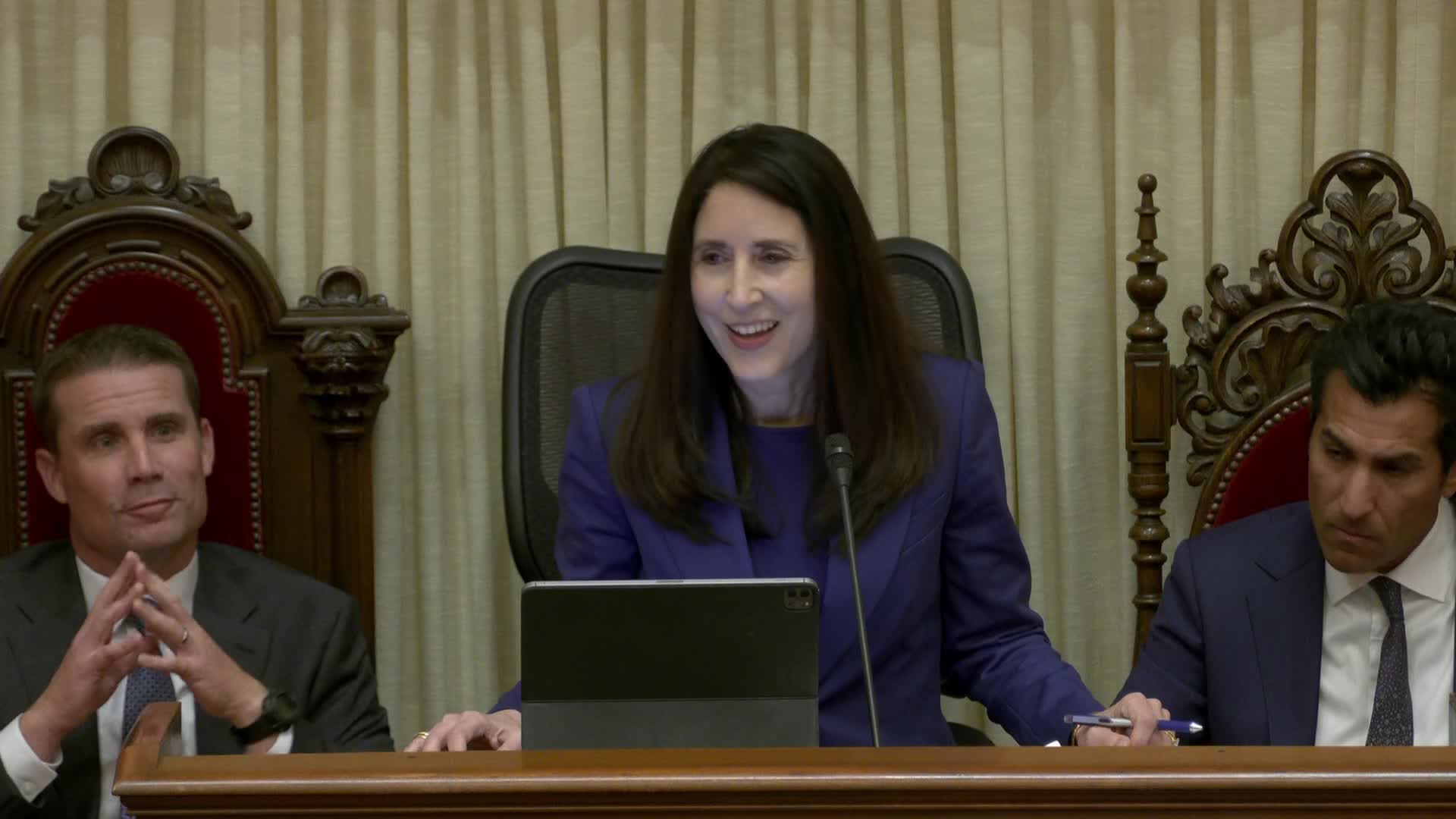
Chief Justice Patricia Guerrero on Tuesday urged the California Legislature to prioritize stable funding for the judicial branch after last year’s proposed reductions forced cuts to court services and staffing.
Guerrero told a joint session of the California State Senate and the California State Assembly that in May the trial courts faced $97 million in reductions and other parts of the branch faced prospective reductions up to 7.95 percent. She said those cuts prompted court closures, furloughs, and reduced hours for self-help and clerk’s offices, and that partially restored funding tied to this year’s governor’s proposed budget should reduce hiring freezes and scale back planned service cutbacks.
The chief justice said “much uncertainty remains” as the legislature finalizes the budget act and urged continued collaboration among the branches. Guerrero also reported about 67 judicial vacancies statewide and thanked the governor and his judicial appointment secretary for appointment work she said has helped fill seats.
Guerrero asked the Legislature to remember the judiciary’s mission to resolve disputes and protect constitutional rights as lawmakers weigh competing demands for scarce resources. She said the judicial branch is pursuing a weighted case flow model and improved data collection to better assess workloads and allocate resources, noting preliminary trends of rising complexity across case types.
On remote proceedings, Guerrero said that through budget trailer bills the branch now has statutory authorization for criminal and civil remote proceedings until Jan. 1, 2027. She described remote hearings as saving court users time and travel — estimating more than 6,500 remote hearings each business day and roughly 1.5 million avoided courthouse trips annually — and said remote options give litigants a choice in how they access the court system.
Guerrero said the Judicial Council will present a report on the weighted case flow model in April and that the branch will continue to advocate for judgeships in counties with greatest need, naming San Bernardino and Riverside counties.
She also commended a legislative proposal to provide funding for court-appointed counsel on appeals to the courts of appeal and the California Supreme Court, describing the funding as important to attract experienced counsel in capital and indigent appeals.
Guerrero closed by reiterating her commitment to three-branch collaboration and to stewardship of public funds.
Guerrero delivered her remarks before members of the state Supreme Court and hundreds of judges and judicial officers from across California.