Get Full Government Meeting Transcripts, Videos, & Alerts Forever!
Get email alerts on the Policing And Public Safety topic
No spam. Unsubscribe anytime.
Residents press Akron City Council for justice in police killing of 15-year-old and raise neighborhood, school and immigration concerns
Summary
Multiple residents used the public comment period to call for justice for Jasmine Tucker and to raise concerns about police conduct, school safety at Middlebury Academy, neighborhood trash and mixed views on immigration policy.
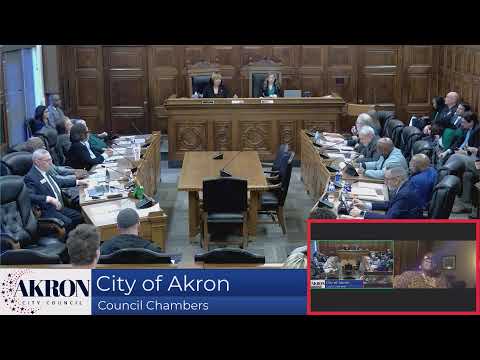
Dozens of residents addressed Akron City Council during the public comment period, focusing chiefly on police conduct in a case involving 15-year-old Jasmine Tucker, neighborhood safety and school concerns, and sharply divergent views on immigration policy.
Why it matters: Several speakers accused Akron police officers of misconduct in connection with the death of a 15-year-old and urged the council and city leaders to take action. Other residents raised safety and operational concerns about Middlebury Academy and asked the city to address repeated neighborhood blight. A small number of speakers defended the police and expressed concern about immigration-related crime. The comments illustrate community tensions over policing, public safety and local services.
What speakers said about the police and Jasmine Tucker
- Lucy Harris, a resident, described a list of alleged uses of force by an Akron police officer identified in her remarks as "Fields," including forceful takedowns, failure to activate body cameras and repeated strikes. She said the case had “Murdering an innocent 15 year old child.”
- Several other speakers used the public comment time to say they wanted “justice for Jasmine,” referenced public mourning (flowers dropped at sites) and urged accountability for officers they described as having a history of excessive force.
- Lillian Barnes, a resident, and others tied protests and memorial actions to calls for accountability and said community trust in the Akron Police Department (APD) is eroding.
School safety and student concerns
- Kazmaiah Moore, who identified themself as a Middlebury Academy student, told council that staff turnover and disciplinary actions had disrupted schooling, and described a recent safety hazard: plastic chains placed near an entrance and fire exit area that she said created trip risks and could hinder emergency evacuation. Moore asked council to "see what's going on about the school." (Speaker asked for city follow-up.)
Neighborhood maintenance and public services
- An online commenter identified as Tina described persistent trash, abandoned tires and a boat left in the street near Martha and Laird that remains for weeks. Council staff said someone would follow up to identify the issue and the location for cleanup.
Immigration and public-safety opinions
- Octavius, a resident who said he supports the police, expressed opposition to Akron's “welcoming city” language and argued that illegal immigration increases crime and stresses police resources. He said the city should redirect federal funds being used for services for immigrants to local priorities.
- By contrast, Reverend John Beatty said immigrants are not the perpetrators of most crimes in the city and urged support for immigrant families, noting cuts to international aid had local effects on vulnerable people.
Budget and oversight comments
- A commenter identified as David Grama urged a public hearing on the operating budget, saying a recent town hall was insufficient for public input. Grama suggested postponing budget approval until March 31 to allow more opportunity for comment and recommended benchmarking Akron police staffing and costs against comparable Midwestern cities (Aurora, Joliet, Grand Rapids) rather than the city of Dayton. He also said the proposed $25,000 allocation for independent legal support for the citizens oversight board is insufficient and referenced a prior city legal bill of $10,000 for an eight-page letter (as described by his attorney).
Council response and follow-up
Council staff and the clerk swore in commenters and periodically acknowledged receipt of issues; a staff member said someone would reach out to the resident who reported abandoned vehicles and trash. No formal council action on these specific items was taken during the meeting; the comments were recorded for follow-up or for future agenda items.
Ending
Public comment concluded before council moved on to the consent agenda and subsequent legislation. The concerns raised—particularly calls for accountability in police conduct, school safety hazards and neighborhood blight—were recorded on the public record for city staff and council follow-up.