Get Full Government Meeting Transcripts, Videos, & Alerts Forever!
Get email alerts on the Local Governance topic
No spam. Unsubscribe anytime.
Woodfin council adopts strategic plan framework, creates subcommittees including West Woodfin water‑and‑sewer study
Summary
The Town of Woodfin council reviewed a 2025–26 strategic plan and voted to form several council subcommittees — including one to research options for bringing water and sewer to West Woodfin — after edits and discussion about communications, partnerships and affordable housing.
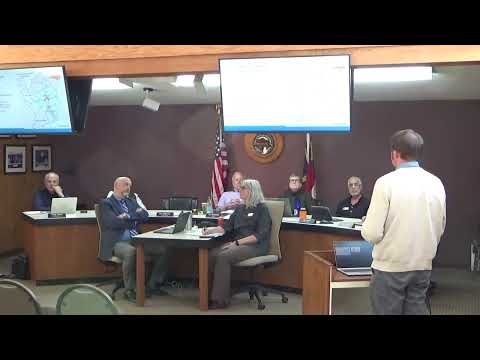
The Town of Woodfin council reviewed and moved forward with a 2025–26 strategic plan framework at its March 18 meeting and directed staff to refine action steps. Councilmembers also voted to amend the agenda and form a subcommittee to research water and sewer extension options for West Woodfin.
Council discussion focused on making the plan actionable and on forming small work groups to research priority areas. Councilmembers suggested that subcommittees develop mission statements, communication objectives, target audiences and implementation schedules before returning recommendations to the full council. Members discussed using subcommittees to cultivate partnerships with housing developers, University of North Carolina Asheville (UNCA), childcare providers and environmental groups.
On a motion added to new business, the council approved formation of a subcommittee “to research, discuss, and bring to council ideas, recommendations for next steps on bringing water and sewer to West Woodfin.” The motion carried with a voice vote; no roll‑call tally was recorded. Councilmembers clarified that the subcommittee’s role is research and facilitation, not to make binding approvals for utility extensions; decisions about water or sewer service remain with utility providers and would require separate formal processes.
Councilmembers also proposed edits to the communications objective within the plan to make it more implementation‑oriented. One suggested revision read: “Form a council subcommittee to develop a mission statement, identify communication objectives, target audiences, and develop priorities and a schedule for implementation.” Members agreed to create additional subcommittees for partnerships (housing, UNCA, child care, environmental organizations) and communications; several councilmembers volunteered to lead or staff the groups and staff offered to provide liaison support and meeting notices.
Councilmembers discussed budgeting and timelines and agreed to include periodic check‑ins on progress. The town manager or staff will draft committee charters, confirm open‑meetings requirements and return proposed membership and schedules to council at a future meeting.
Why it matters: Forming targeted subcommittees and specifying implementation schedules can move high‑level goals into concrete action. The West Woodfin water/sewer study could inform future economic‑development and housing options if utility extension is feasible and if funding or partnerships are identified.
What’s next: staff will incorporate council edits into the strategic plan, prepare subcommittee charters and return appointment proposals and schedules to the council for approval.