Get Full Government Meeting Transcripts, Videos, & Alerts Forever!
Get email alerts on the Culture Food topic
No spam. Unsubscribe anytime.
Senate names tortilla New Mexicos state bread
Summary
The New Mexico Senate approved Senate Bill 315 recognizing the tortilla as the state bread in a largely celebratory debate that included a student expert witness and multiple senators sharing cultural memories.
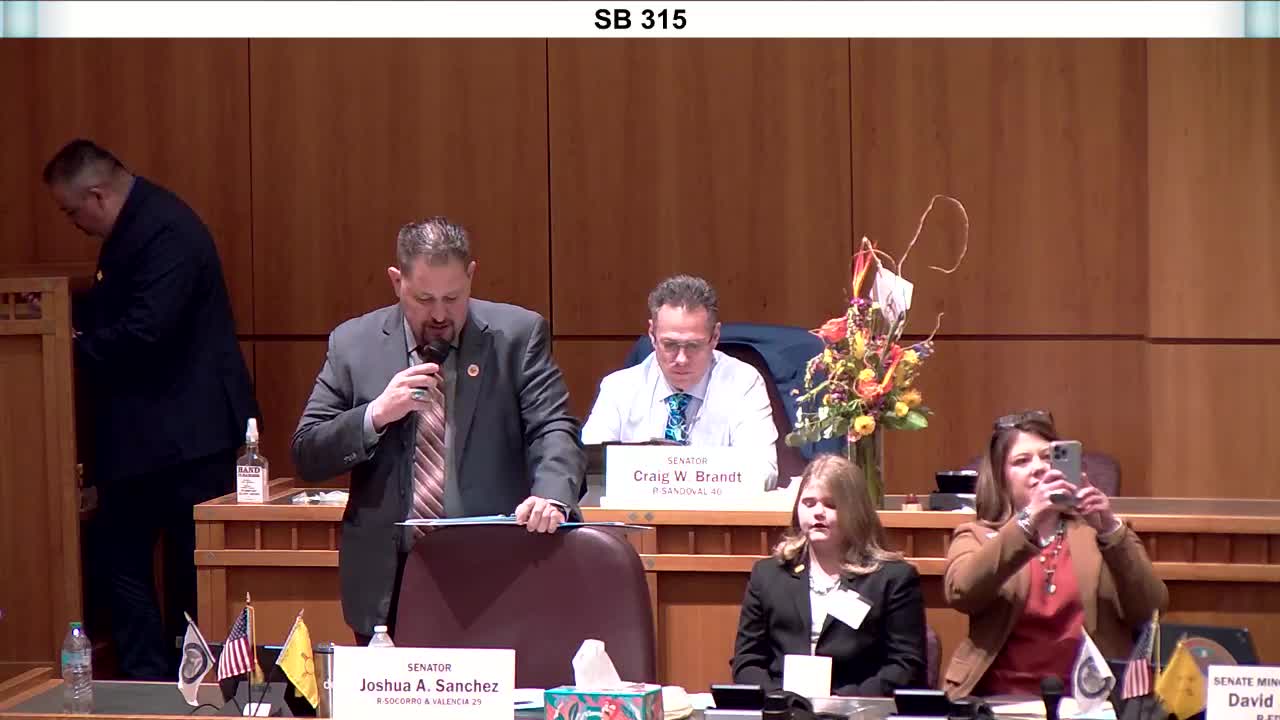
The New Mexico Senate on third reading approved Senate Bill 315 to designate the tortilla as the official state bread.
The bills sponsor, Senator Sanchez, introduced an expert witness, fifth-grade student Adeline McIntosh of Las Cruces, to describe the cultural significance of the tortilla. "What we're doing today is adding the tortilla to the . . . it would be the state bread for New Mexico," Sanchez said during his explanation. The chamber then heard a succession of mostly supportive remarks from senators who described tortillas as part of New Mexicos cultural fabric.
Why it matters: supporters said the vote spotlights state culinary and cultural traditions and provides a civic-learning opportunity for a young presenter. Senator Hamblin, a co-sponsor, said the bill brings "a little bit of lightness" to the legislative calendar while engaging young people in the process.
Debate and details: senators asked light-hearted questions about corn varieties, cooking methods and favorite fillings. McIntosh told the body that she preferred blue corn for enchiladas and corn tortillas for breakfast tacos; Sanchezs expert said "a green chile quesadilla" is a favorite. Senator Shindo offered a cultural history, noting Indigenous "paper bread" made from blue corn as a longstanding regional tradition.
Formal action: Senator Sanchez moved passage. The Senate recorded the bill as passing on final reading: "By a vote of 28 in the affirmative, 0 in the negative, Senate Bill 315 has duly passed the Senate." The sponsor and many colleagues praised McIntoshs presentation and participation.
Next steps: with passage in the Senate, the bill will follow the normal process to the House (the transcript does not record subsequent House action). The bill drew no recorded opposition votes on the Senate floor.
Ending: sponsors highlighted the bills educational value: several senators urged that the student witness be invited to future events and praised the cultural awareness the measure generated.