Get Full Government Meeting Transcripts, Videos, & Alerts Forever!
Get email alerts on the State Legislation topic
No spam. Unsubscribe anytime.
Wake County liaisons brief board on education bills: teacher pay, calendar flexibility, cell phone rules among priorities
Summary
Contract lobbyists for Wake County Public Schools updated the board on key education legislation at the North Carolina General Assembly, including a House teacher pay proposal (~$1.6 billion recurring), calendar flexibility bills, mobile phone policy legislation, and pilot proposals for funding flexibility.
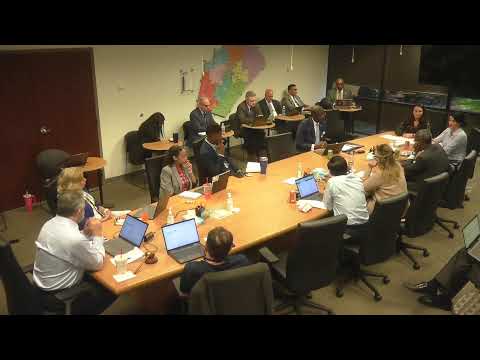
Contract lobbyists Caitlin Rothacker and Sarah Bales briefed the Wake County Board of Education on March 18 about the pace of business at the North Carolina General Assembly and several education bills the district is monitoring.
Rothacker and Bales said bill‑drafting and local introduction deadlines had passed and that the session was in a high‑activity phase: new stand‑alone bills are limited after the filing deadlines, but lawmakers can still amend existing bills, use proposed committee substitutes (PCS), or attach language to the budget. They warned that many bills evolve substantially during the process and urged board members to monitor amendments and budget activity closely.
Key items the liaisons highlighted included a House education funding bill led by appropriations leadership that would increase teacher pay (the bill text discussed by the presenters included recurring funding of about $1.597 billion) and included language on starting/continuing pay, master’s pay and board certification pay. The presenters said the House bill signaled a strong intent to act on teacher pay; the Senate is preparing its budget and may propose different approaches.
Rothacker and Bales also flagged a number of other priorities and proposals: bills to create calendar flexibility for local districts (multiple bills filed in both chambers), pilot programs and study language that would examine moving some allotments to local discretionary funding, school meals proposals including movement on universal breakfast and possible actions in the governor’s budget, cell phone policy bills under active consideration in both chambers that would encourage boards to adopt policies, and a House study bill examining the size and structure of larger LEAs.
Board members asked about the teacher pay bill’s price tag and how the proposal would be carried into a final budget. The liaisons said stand‑alone appropriations bills typically get folded into budget negotiations and that the exact funding source would be decided during the budget process; the governor’s proposed budget was expected the following day, which will shape available dollars.
Board members also asked whether the House or Senate bills on cell phones were favored; the presenters said conferees from both chambers were working behind the scenes and that final language may blend approaches. On LEA‑size study language, the liaisons recommended direct engagement with bill sponsors because Wake County is likely to be of interest.
Rothacker and Bales said the district is actively tracking about 40 bills and urged board members to raise policy priorities with district leadership so lobbyists can advocate position statements to members of the General Assembly.