Get Full Government Meeting Transcripts, Videos, & Alerts Forever!
Get email alerts on the Policy Diversity topic
No spam. Unsubscribe anytime.
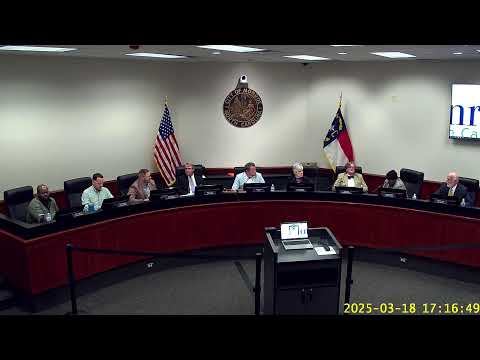
Council rejects immediate dissolution of DEI committee, opts to defer action pending federal/state developments
Summary
After extended debate, the Monroe City Council voted against immediate dissolution of its Diversity, Equity and Inclusion (DEI) committee and agreed to defer final action until either relevant state law is enacted or federal funding paperwork requires certification.
The Monroe City Council on March 11 debated whether to dissolve the city’s Diversity, Equity and Inclusion (DEI) committee and how to handle its $25,000 budget. After divided discussion, the council voted against a motion to dissolve the DEI committee and instead agreed to defer final action until either (a) state law or (b) receipt of federal funding paperwork that would require certification of compliance.
"This decision is about compliance with federal law, not state," Mayor Burns said during the debate, citing recent legal developments and the need to avoid jeopardizing federal grants. Richard Long, the city attorney, told the council that Executive Order 14173’s preamble states that some DEI practices can violate federal civil-rights laws and that federal recipients may be required to certify compliance; Long said municipalities face uncertain but potentially serious exposure, including inquiries by federal authorities and risk under the False Claims Act.
Council members divided on the DEI committee’s effectiveness and local value. Supporters noted the committee’s multi-year work and mission statement to remove barriers of inequality and to foster inclusive conversation; critics argued the committee had delivered limited measurable results and expressed concern about possible federal funding risks for projects such as airport improvements. The DEI committee’s existing allocation of $25,000 was discussed as a potential source to reallocate to the Winchester Revitalization Committee if dissolution occurred.
Procedurally, a motion to dissolve the DEI committee was made and seconded but did not carry. The council later approved a separate motion to keep the DEI committee in place until either HB171 is enacted or the city receives federal funding paperwork that requires certification; the council instructed staff not to sign federal funding certifications without bringing the documents to the council for review. The transcript also records a council discussion that a consultant (referred to as Dr. Samuel) is owed approximately $9,000 for work; council members said that payment would need to be addressed regardless of the committee’s status.
Because the motion to dissolve failed, no funds were reallocated at the meeting. Council members directed staff to notify council if federal funding documents arrive so the council can convene (including by a special meeting if needed) to address compliance and any required action.